
The restaurant’s signage caught my eye nearly every time I drove past it, which had been at least 500 times. It’s named Nanbankan, and its entrance is nondescript and unadorned, and that is what attracted me. I love Japanese cuisine, and this restaurant, with its narrow storefront and plain sign, seemed almost a speakeasy. I wanted to know what unfolded inside the door. For whatever reason, I had never taken the time to stop by and see what it was all about. Until a few nights ago.
I had made plans earlier in the week to meet my friend Allison for dinner, and, as we both live equidistant from Nanbankan, I suggested we meet there. It serves Yakitori, and, as its menu stated, “other good things.” Turns out, false advertising it was not.
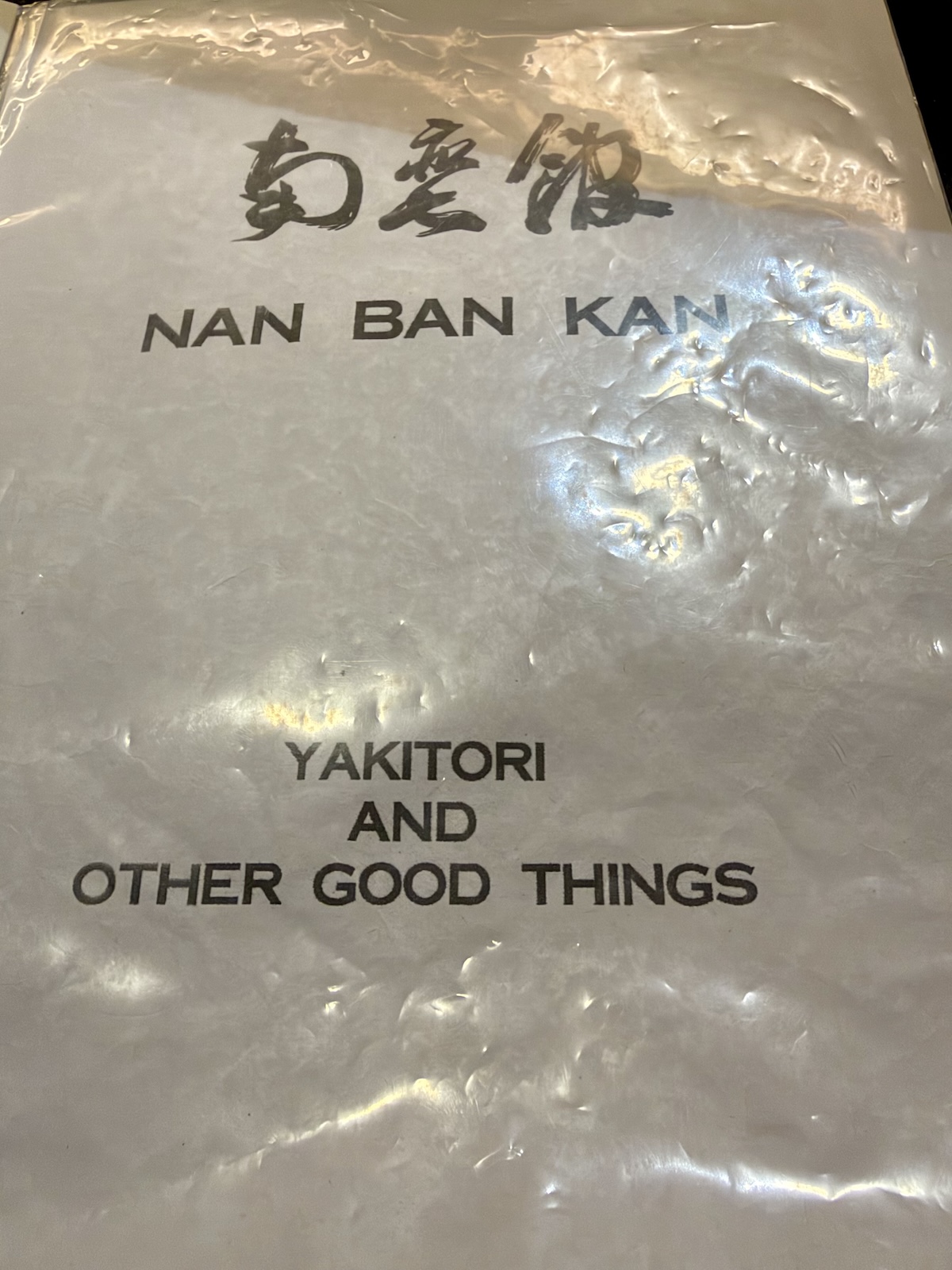
“Yaki” means “grilled,” while “tori” is translated as “bird, or chicken.” Grilled chicken. Nanbankan serves that, and Allison and I shared a fine example of negima, rich thigh meat and green onions on a bamboo skewer grilled perfectly, moist and full of smoke and glazed with tare (soy and mirin). It was the opening dish among many that we shared.

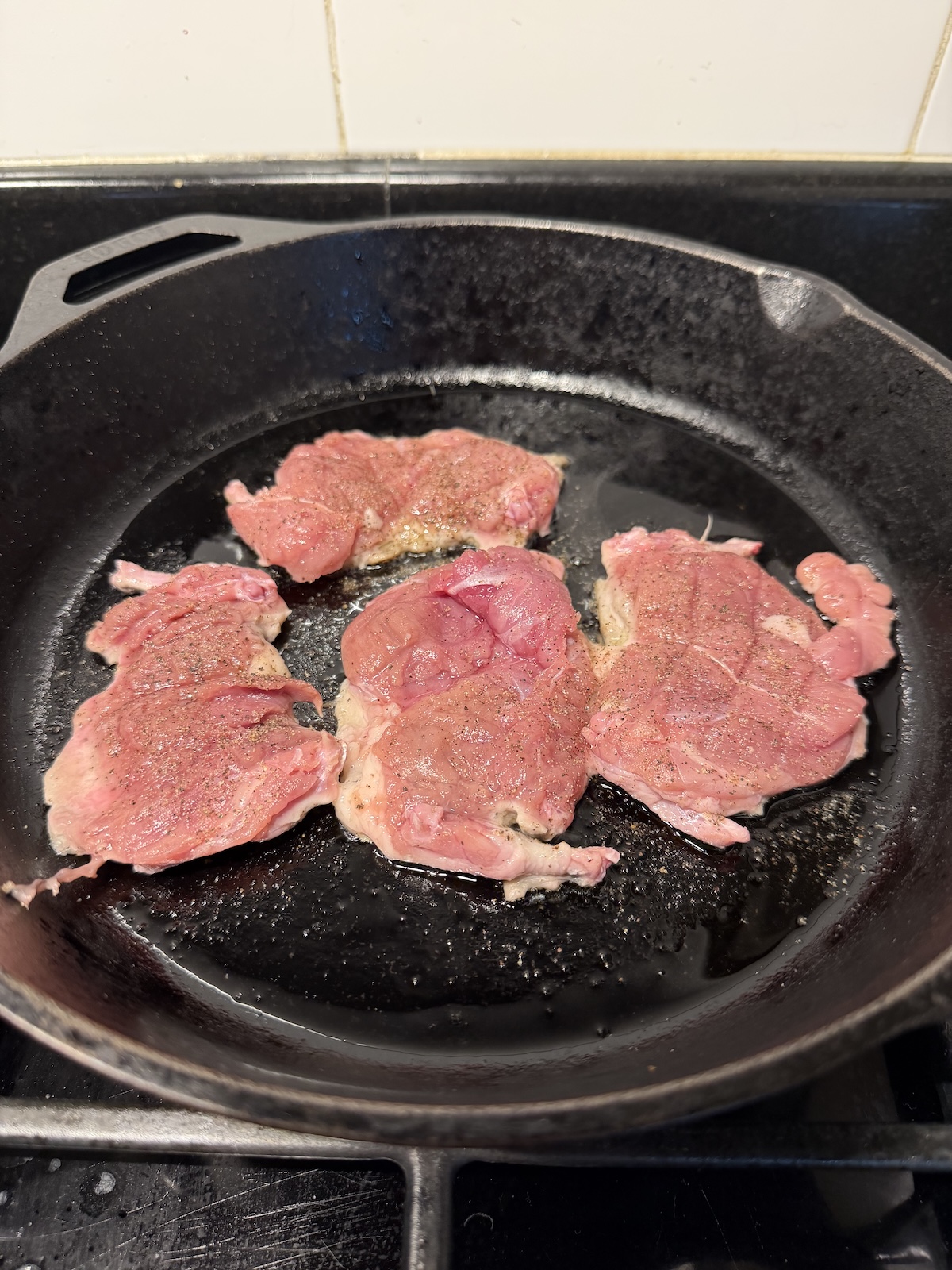
What followed, in no particular order, were lamb chops, yellowtail collar, eggplant, slightly — to my taste —overcooked ebi (shrimp), onigiri, one of which was stuffed with salmon, the other “house style” with scallions and assorted other ingredients, New York strip steak, mushrooms, and chicken breast wrapped in shisho leaf.

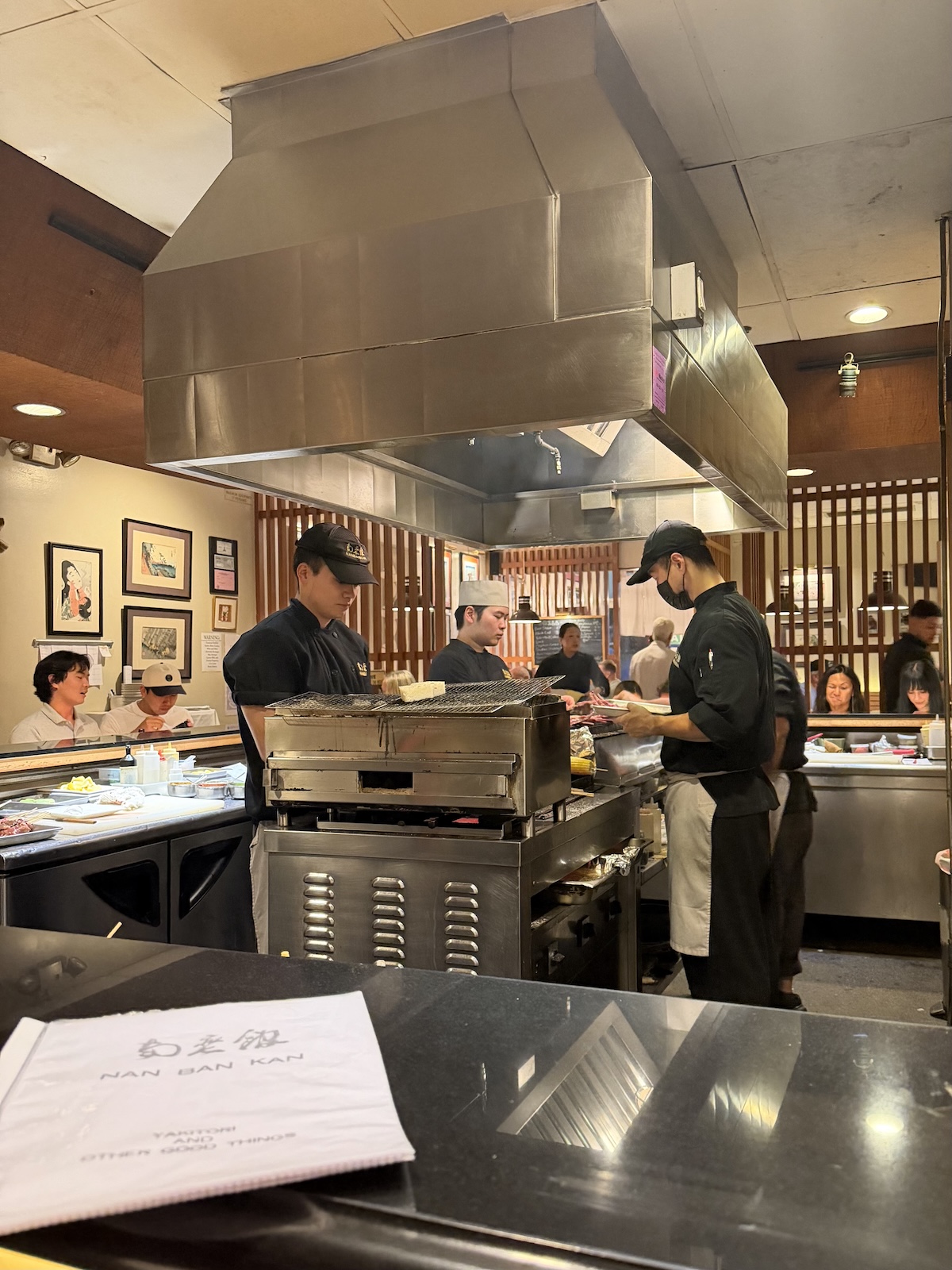
We were seated at the far end — the last two seats next to a wall — of the bar, which wraps around the grilling area. The best seats, I would say, as we had a view of the entire busy yet orderly room. Older couples were there, as were diners in their thirties and twenties. I could tell that some of them were regulars, because their familiarity with the staff was evident. The Band played through the speakers, a good sign.
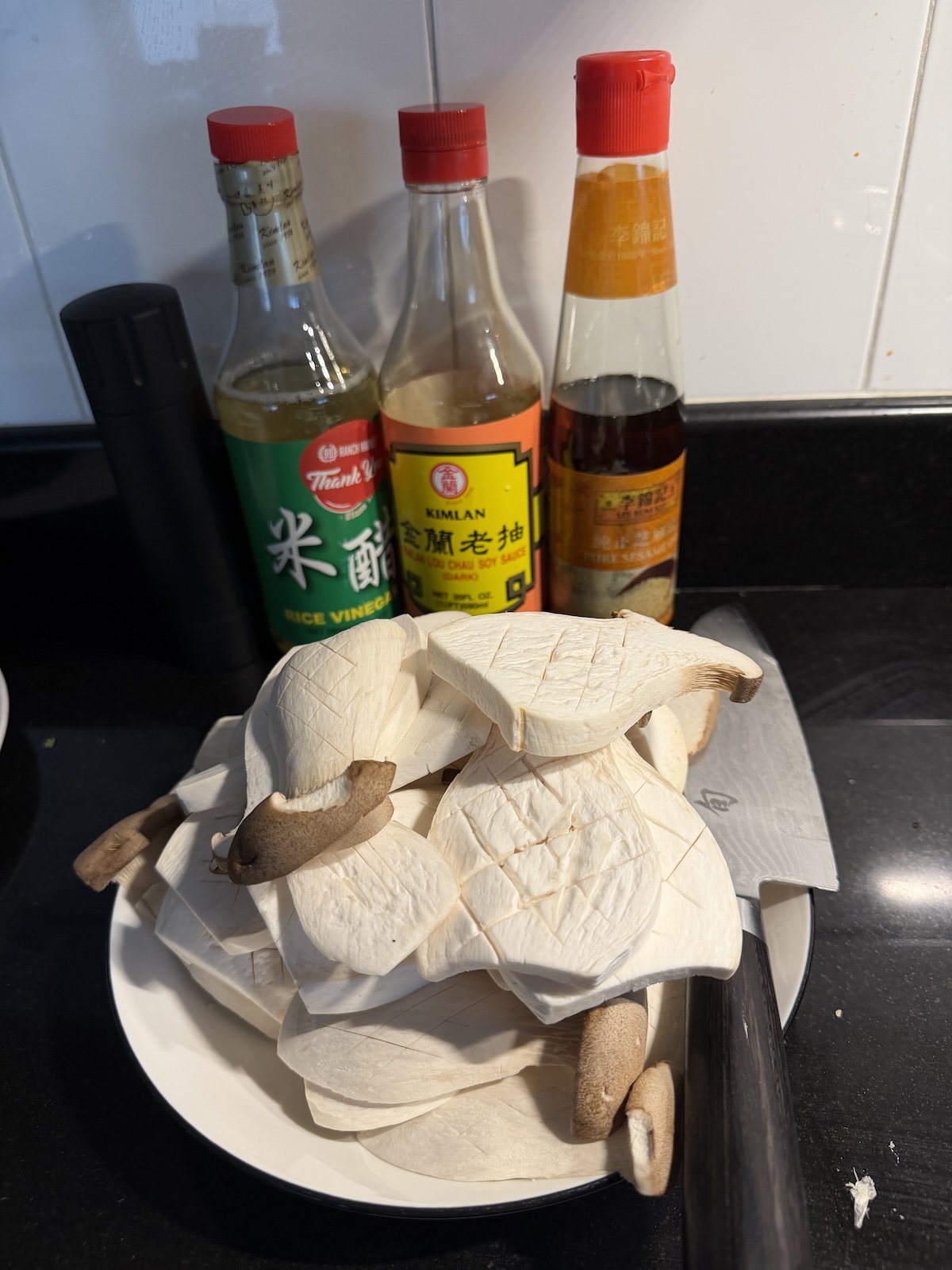
Every dish, excepting, as noted, the shrimp, was much more than good: the rice cakes with crisp exterior and warm and moist interior, the mushrooms slightly chewy and earthy, the yellowtail collar cooked with aplomb — flesh flaky and briny. I especially liked the two chicken dishes, and the egplant was perhaps the best thing of all.


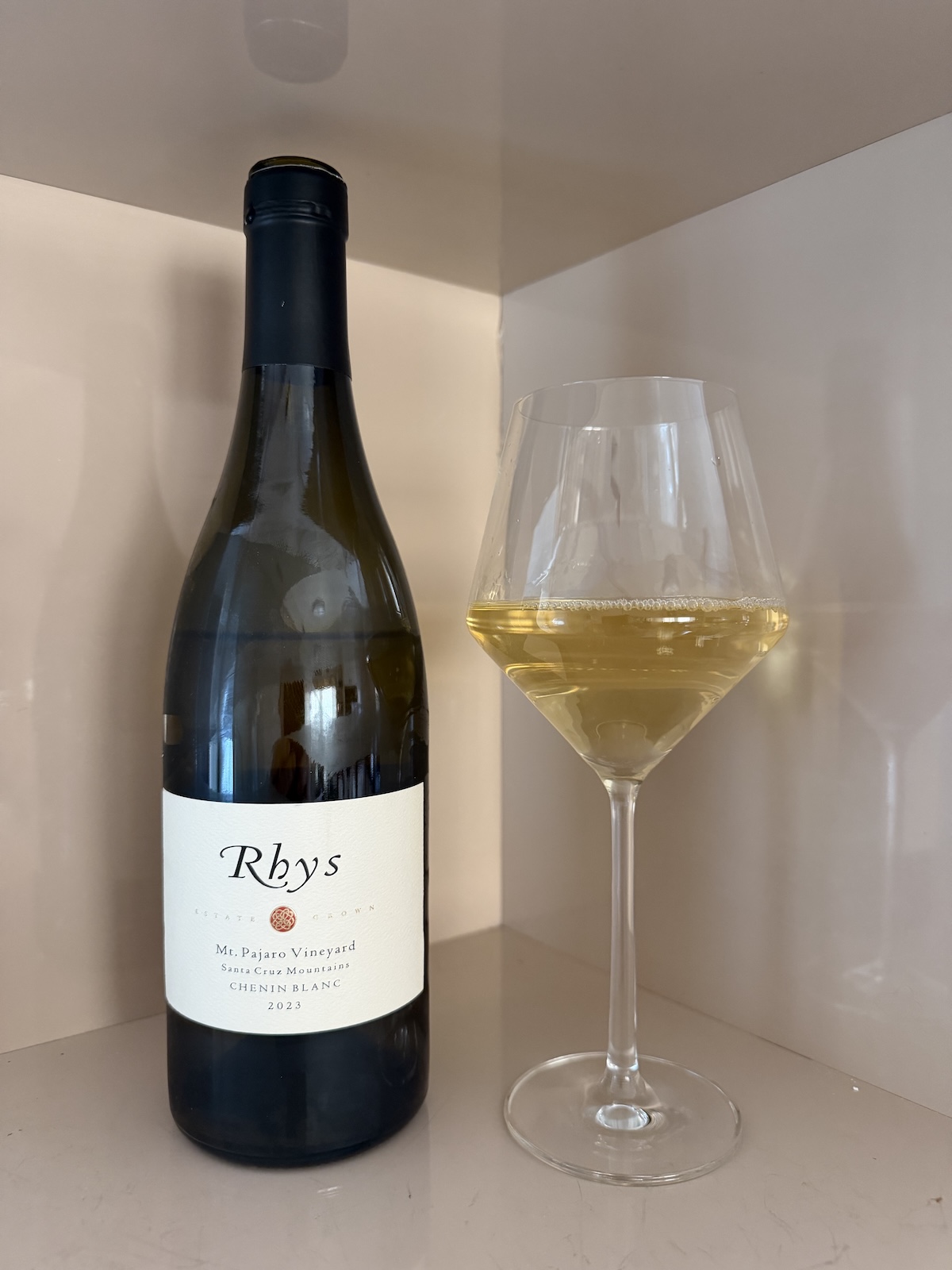
Allison brought a bottle of ski-contact white from Pali Wine Co. — Nanbankan has a $20 corkage fee — and it paired well with most everything we ordered, though the steak skewer might have been better off with a red. The Pali wine is a blend of gewürztraminer and pinot noir, fruit of the former from Danny’s Vineyard in Monterey County. The pinot is Pali estate.
Nanbankan is a place to which I can walk, and that makes it even better. Plus, upon entering I was greeted by a gracious and attractive man with silver hair wearing a tailored seersucker suit. What could be better?
I shall return, soon, to Nanbankan, this time with Angela. And I will order pork.
(All images, unless noted, courtesy of Please the Palate.)












Recent Comments