Charles Clark has been a mainstay of the Houston culinary scene for decades. His approach to food and wine is bold and dynamic; time spent in Spain early in his career had a profound effect on the way he hosts and feeds his guests.
Charles Clark pours for guests at his Brasserie 19. (Andrew Hemingway)
I always enjoy spending time at Brasserie 19, Clark’s popular and lively place on West Gray Street. Seated at the bar is best, and the people-watching opportunities are legion. The wine list is large and full of value, the food commendable.
Clark is the subject of the latest Wine Talk, and he has a lot to say. It was published in PaperCity Magazine, and you can read it here.
Summer is nearly run out, though here in Southern California a week of high heat is upon us. It’s going to be 94 Fahrenheit on Wednesday, and it appears that similar highs will persist through the end of the week. So it goes …
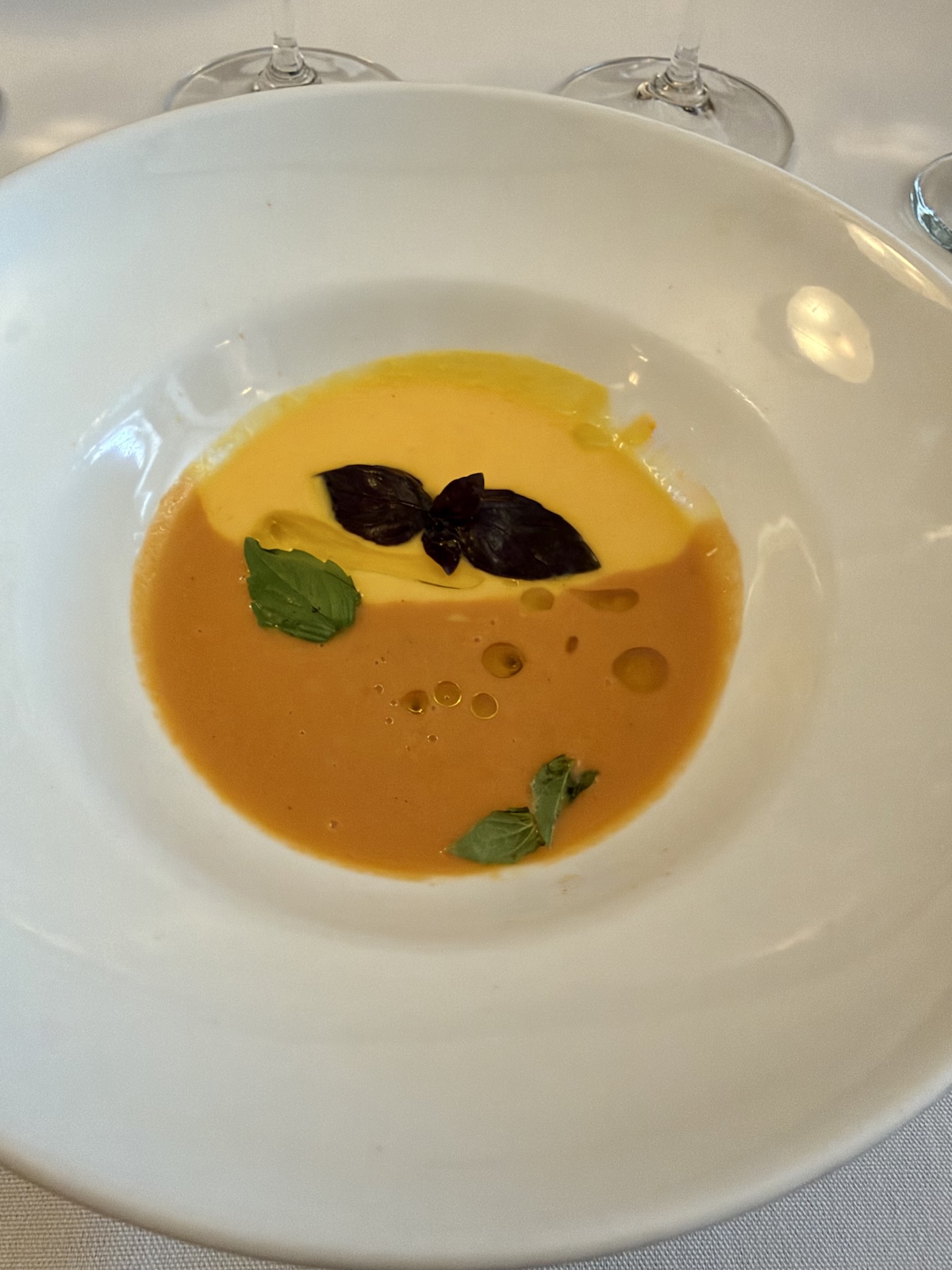
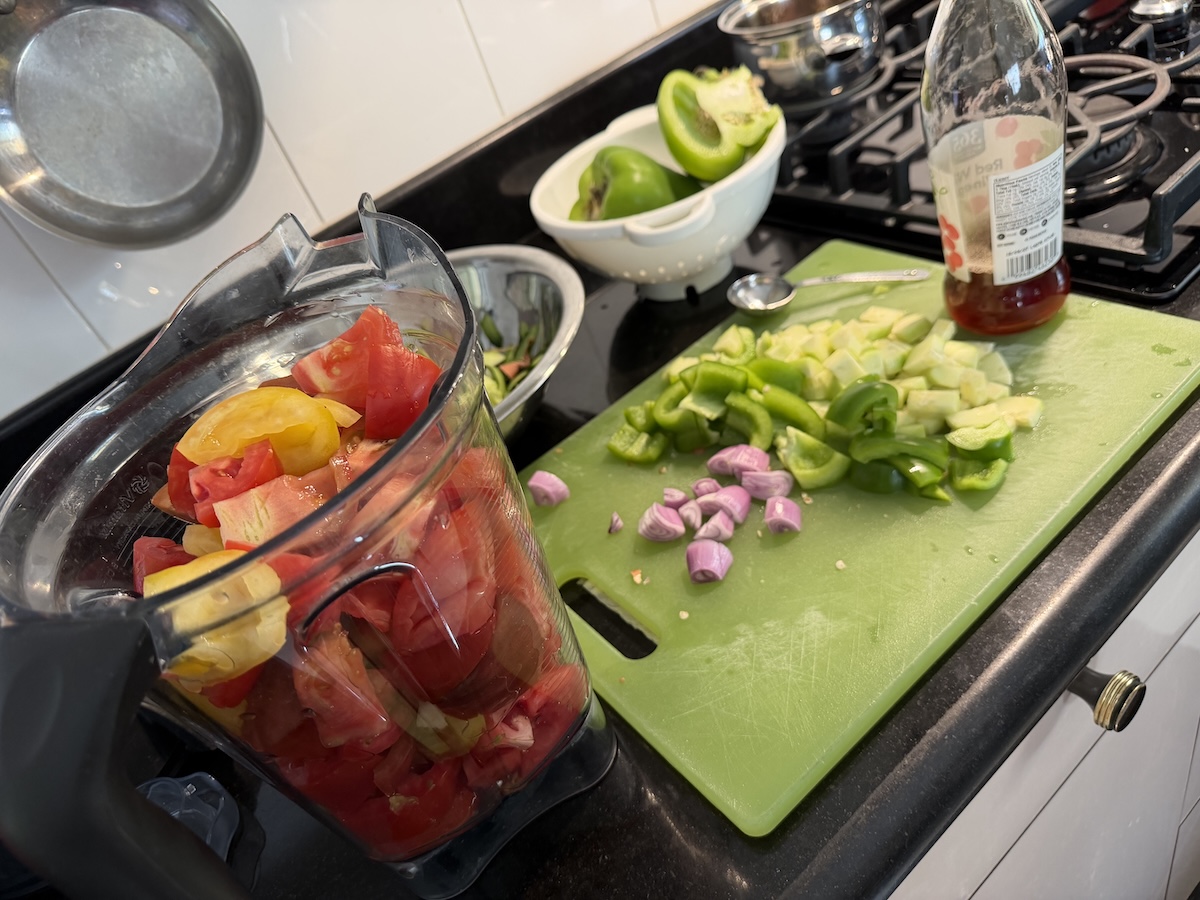
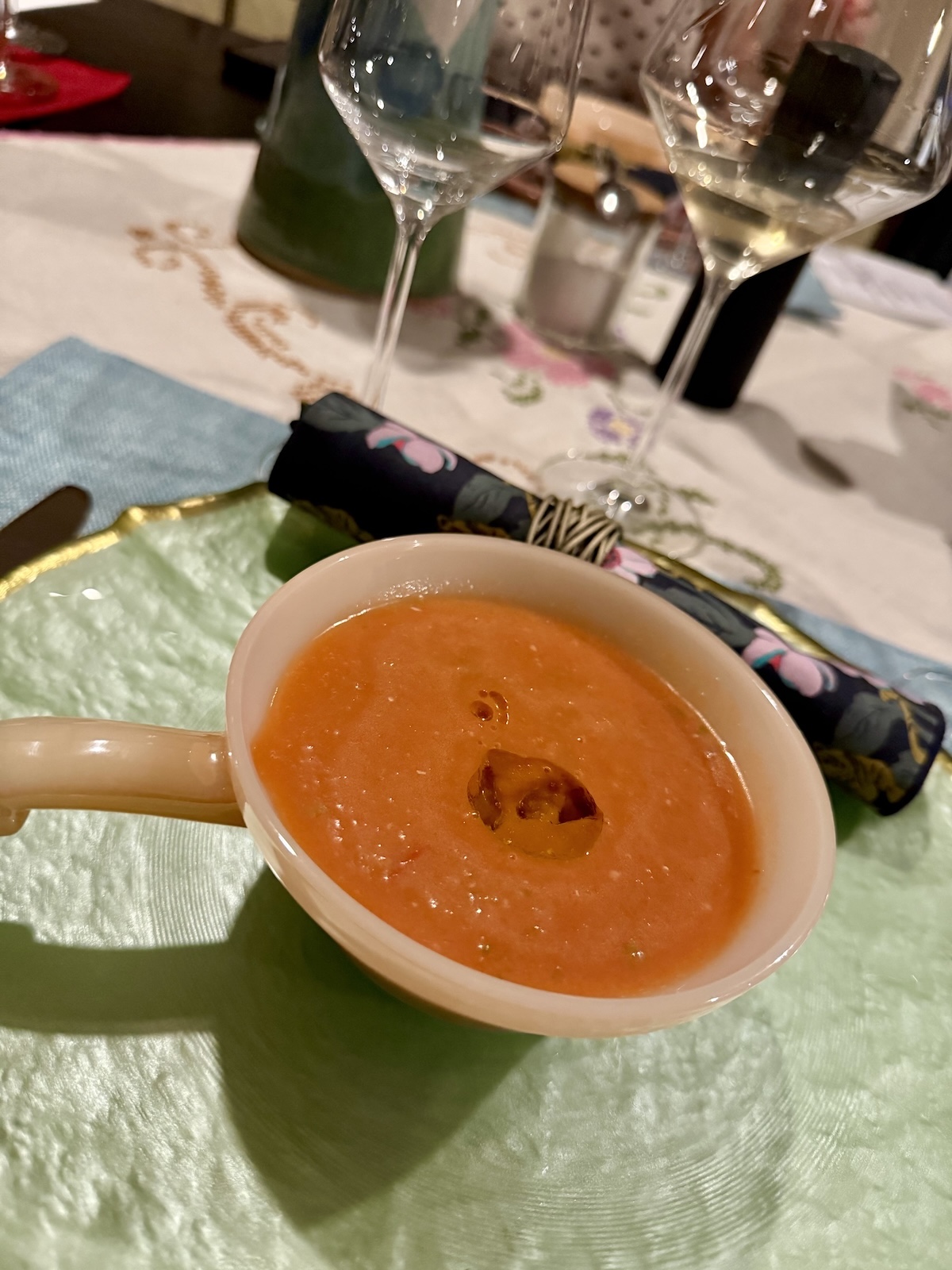
My Labor Day weekend was highlighted by a dinner party we hosted on Saturday, for which I began prepping on Friday by making gazpacho and ice cream. I was at lunch a week or so ago at Marino Restaurant and Sal Marino gave me his recipe for gazpacho, which I used. Here is an image of his version of this dish:
Sal Marino’s gazpacho is a tomato bomb. (Brockhaus Images)
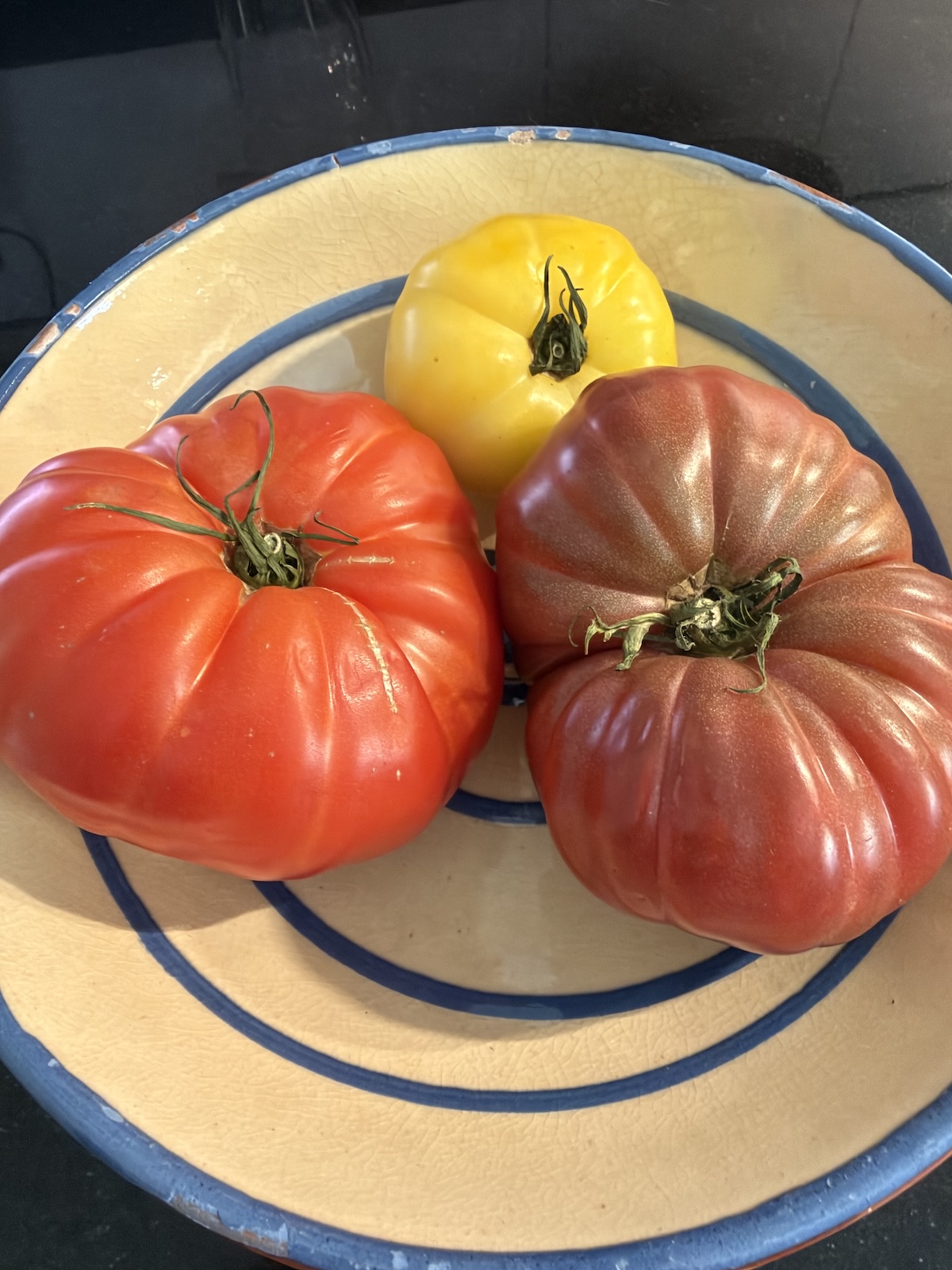
A few of the tomatoes I used for my gazpacho. (Brockhaus Images)
The guests numbered four, two regular dinner and cooking companions, two whom we have been attempting to get to our table for a few years now; something or other always interfered. But that is now a thing of the past.
This is a dish that everyone should master. Simple, yet full of complex flavor. (Brockhaus Images)
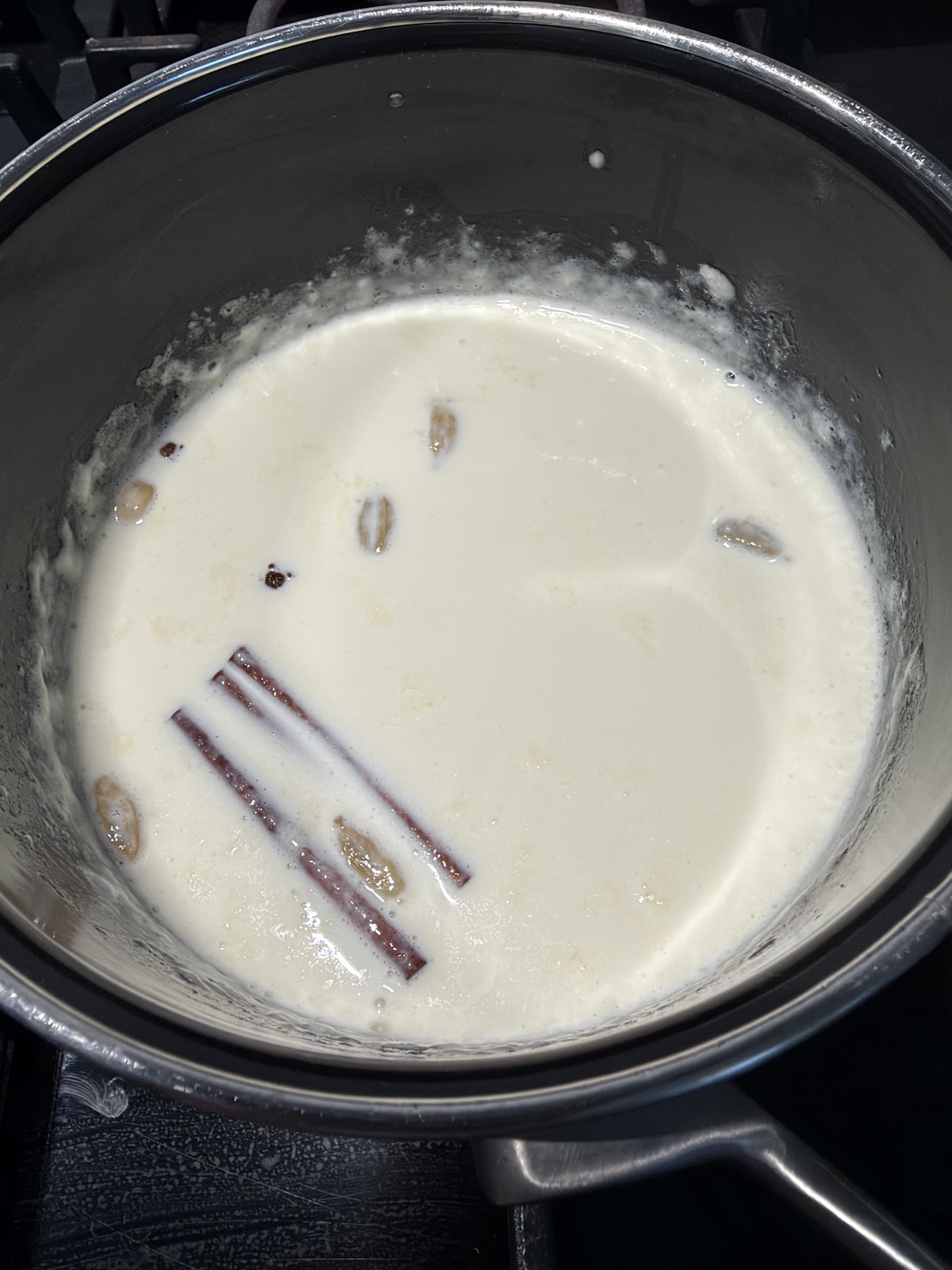
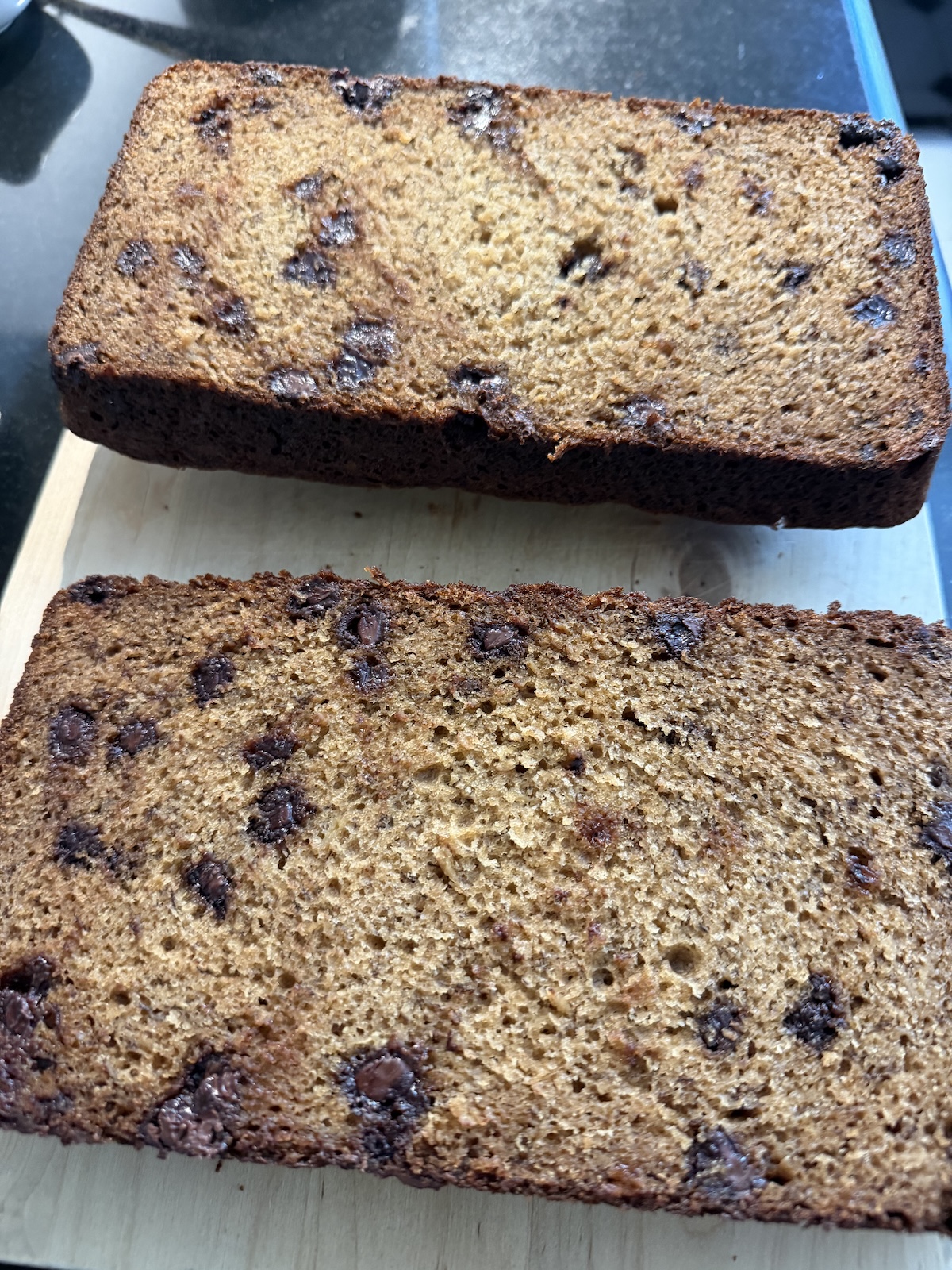
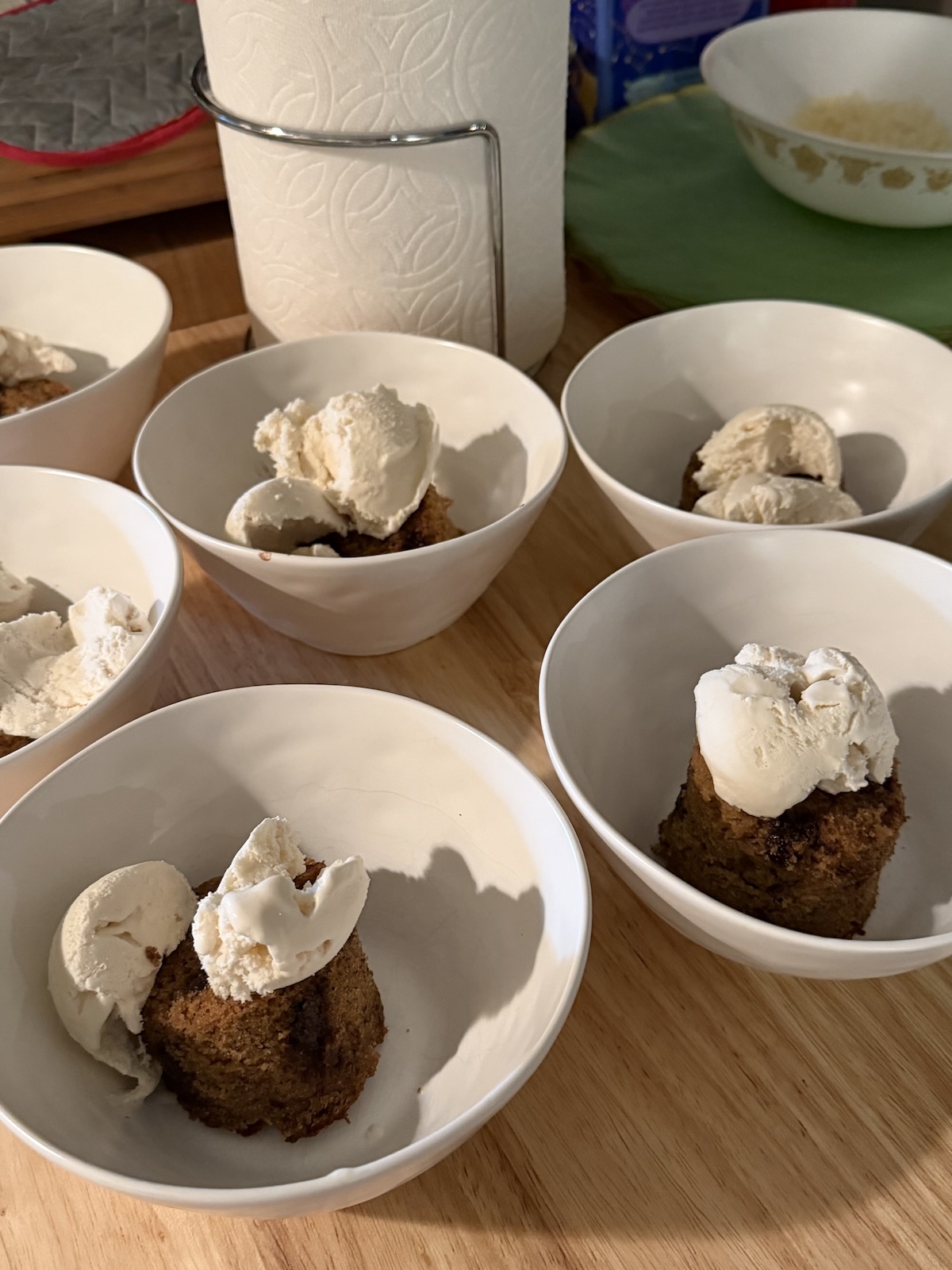
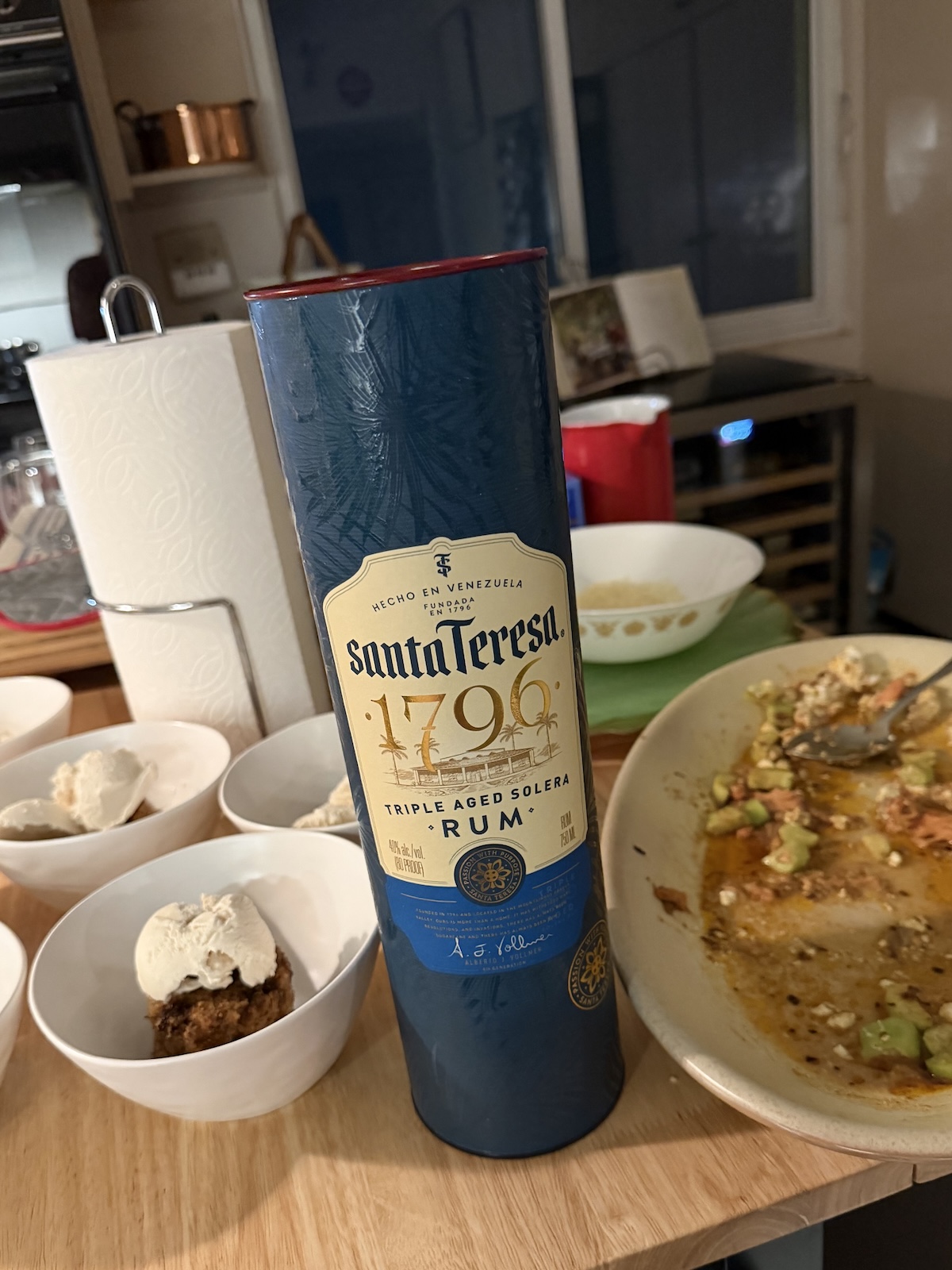
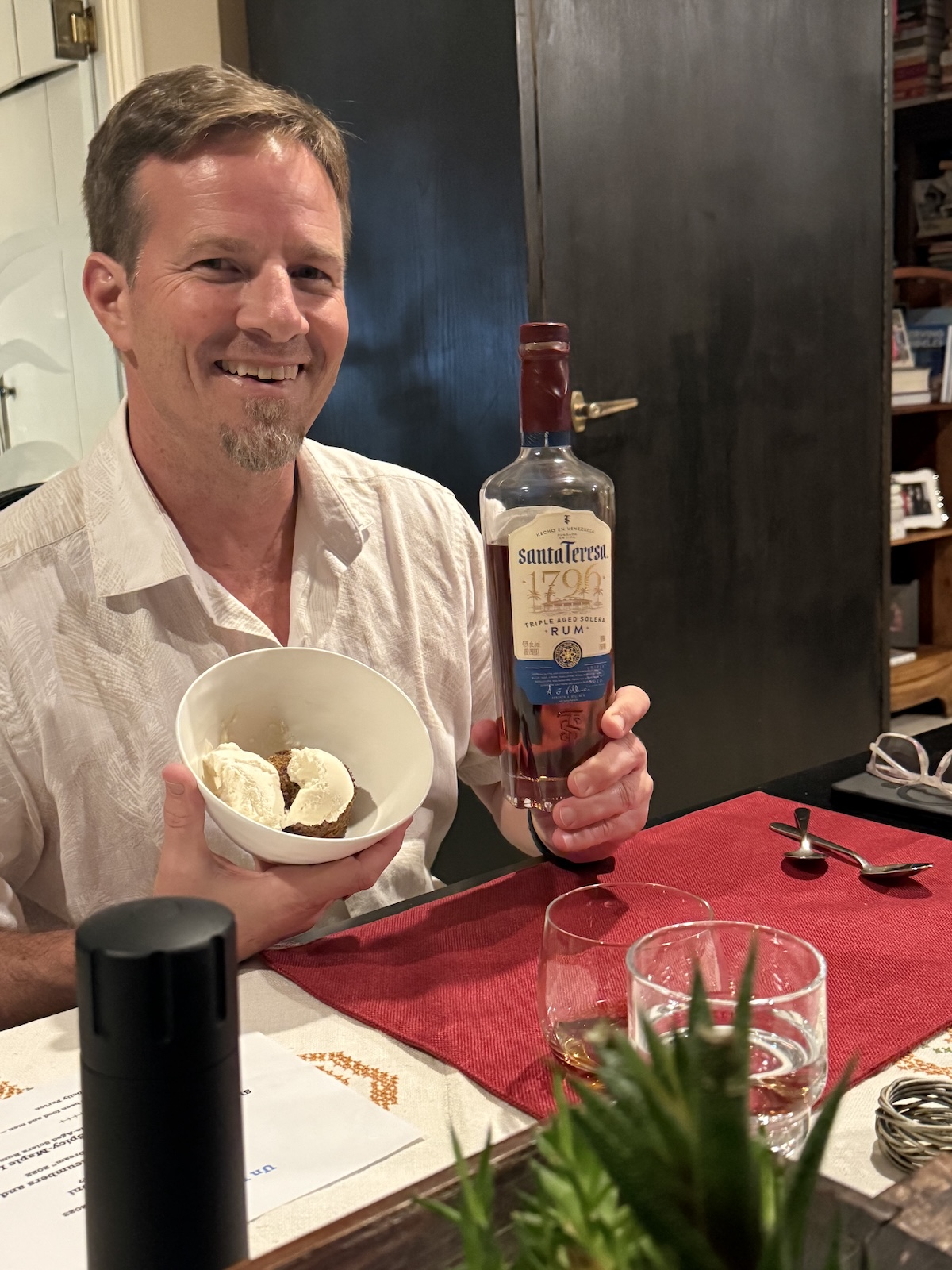
The ice cream I made without eggs, a Philadelphia-style spicy-maple concoction. I used heavy cream and simmered in it cardamom pods, cinnamon sticks, and some salt. About a cup of maple syrup I reduced, then added to the cream and milk mixture, and it all chilled overnight in the refrigerator. I made a chocolate-banana bread on Saturday morning and served the ice cream with it for dessert.
Spices and cream (Brockhaus Images)
A bread made with bananas, yogurt, and chocolate, plus browned butter. (Brockhaus Images)
The closing dish. (Brockhaus Images)
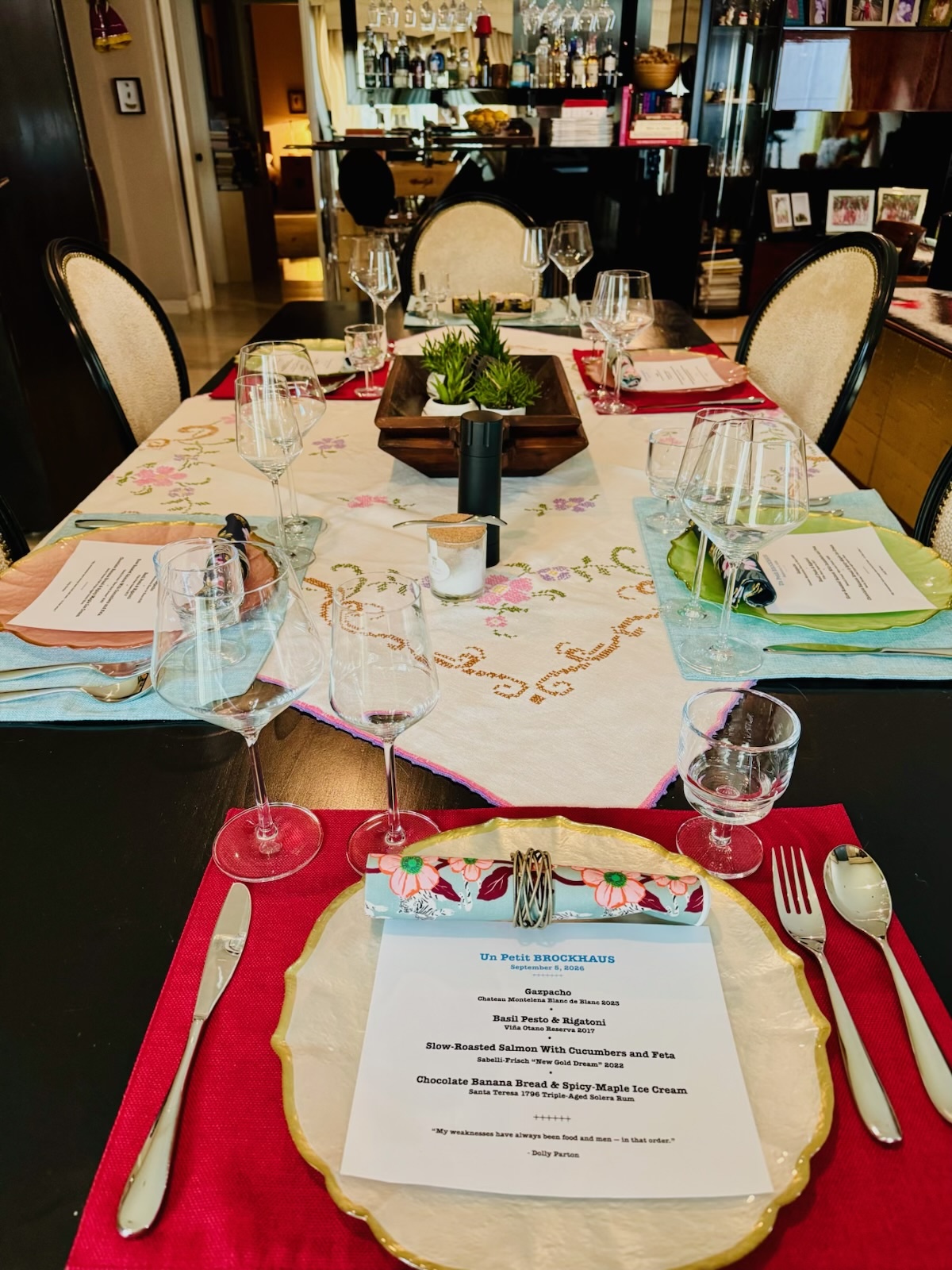
The table was set Saturday afternoon.
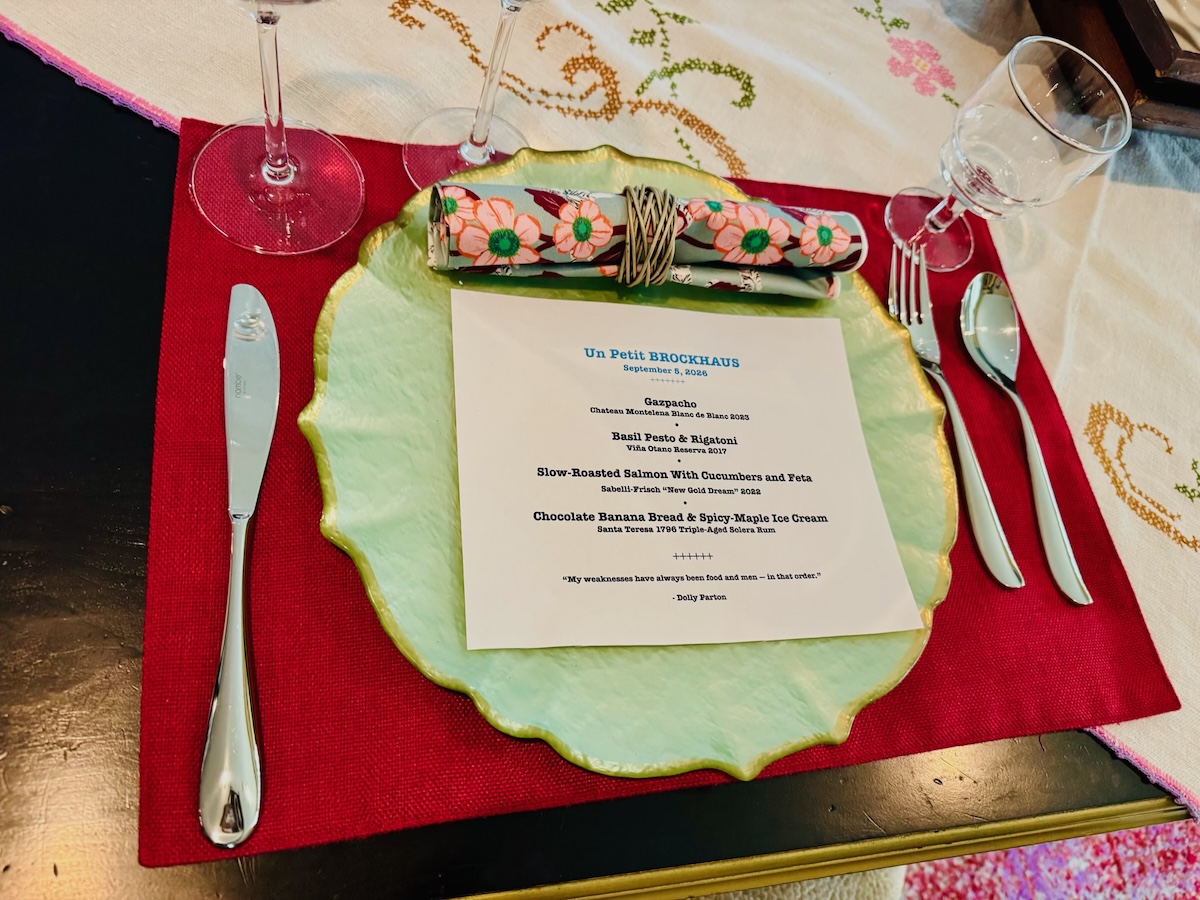
A seat for the evening. (Brockhaus Images)
The table is ready. (Brockhaus Images)
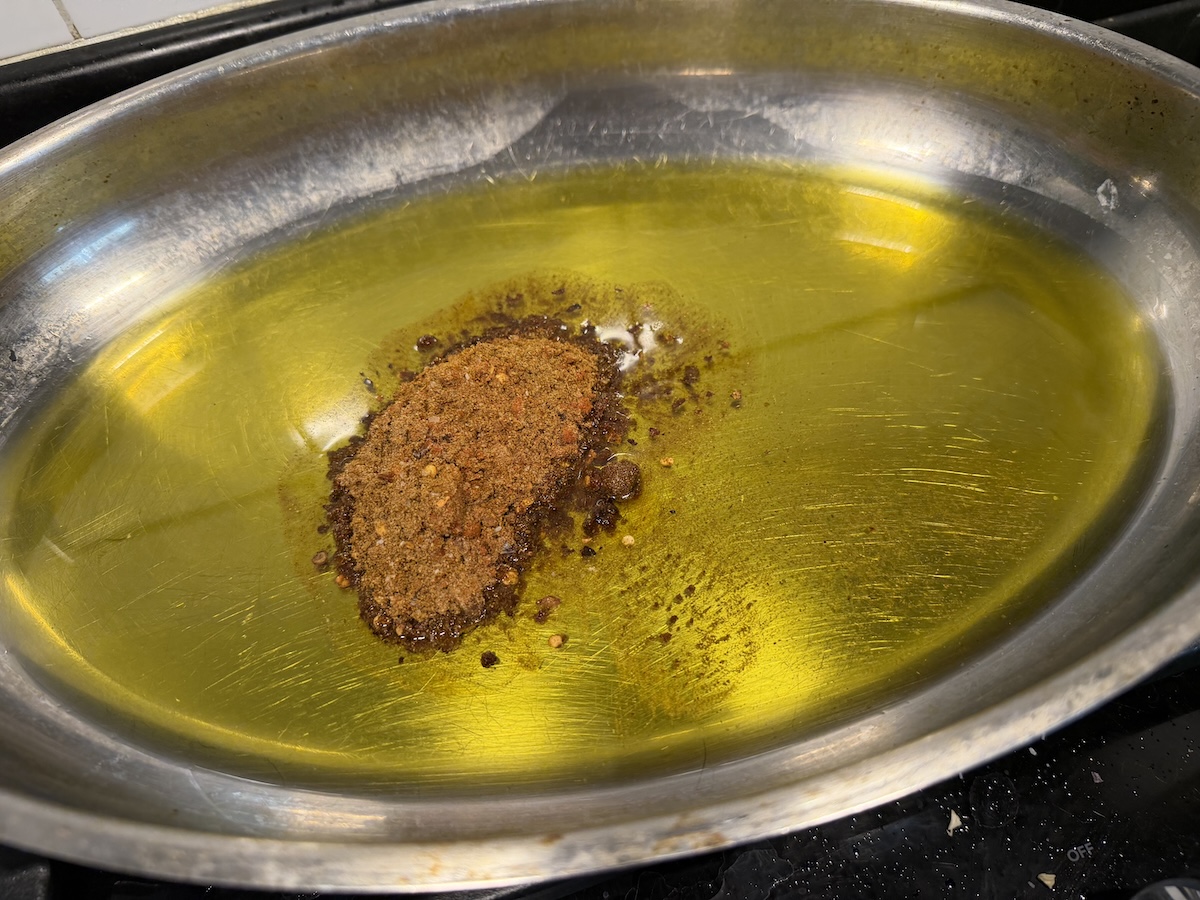
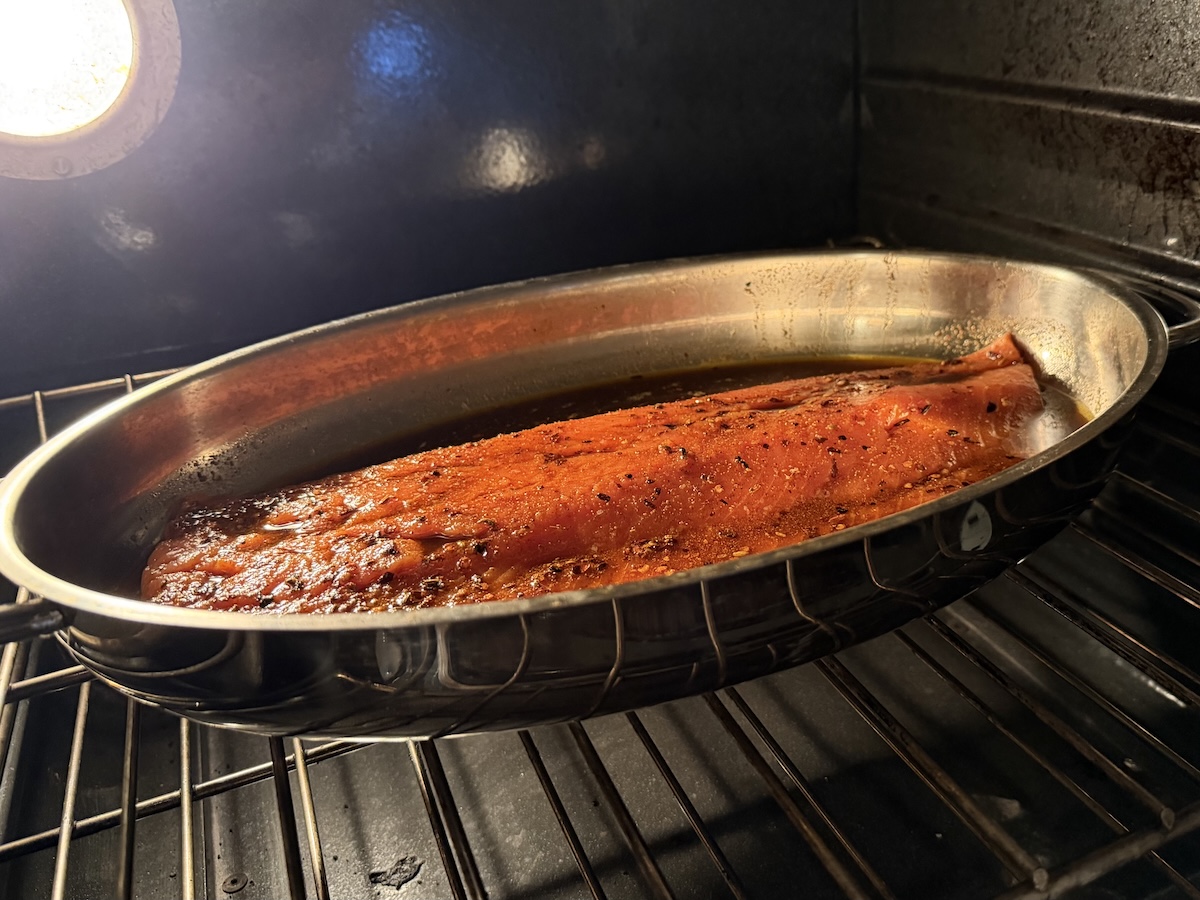
The rest of the menu came together on Saturday. For the main course, spices including red pepper flakes, smoked paprika, toasted and ground coriander, and fennel seeds were simmered in olive oil for 30 minutes; that mixture melded for four hours, then I slow-cooked a coho salmon at 300 Fahrenheit for 20 minutes in the oil.
Olive oil and spices mingled for four hours. (Brockhaus Images)
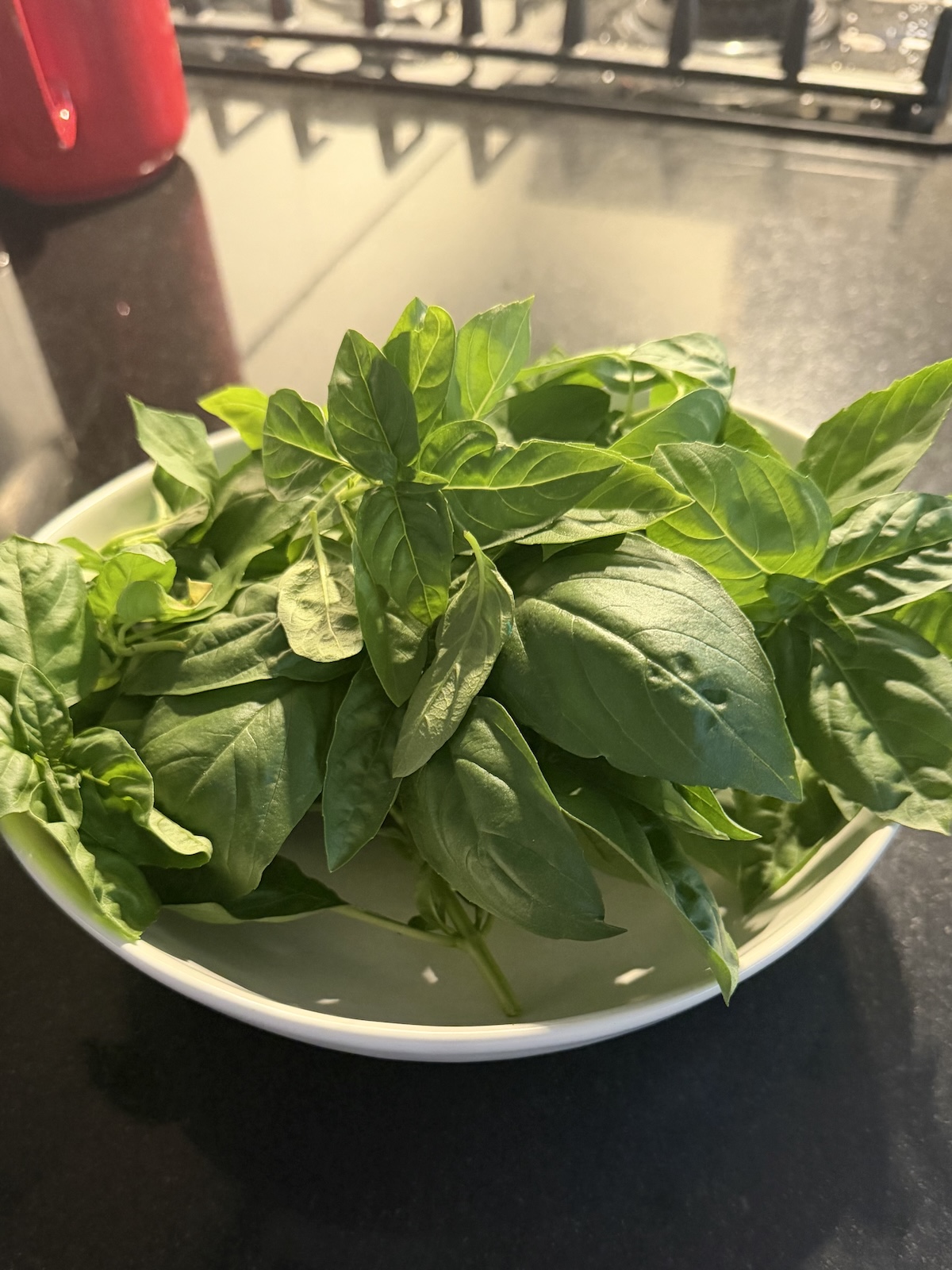
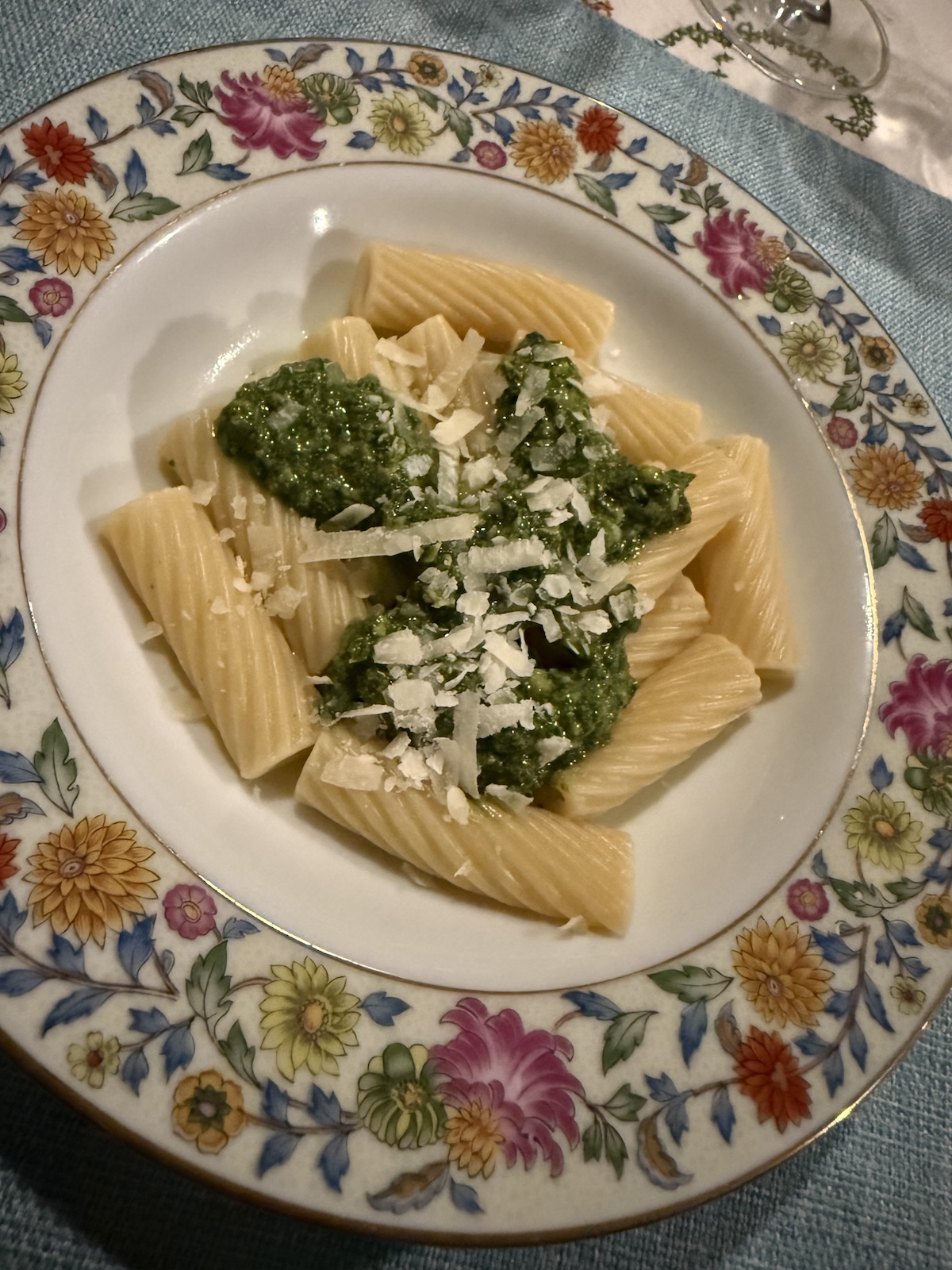
We opened with the gazpacho, then I served rigatoni with basil pesto; the leaves had been harvested that afternoon from our balcony garden.
This basil could be no fresher. (Brockhaus Images)
Pasta and basil pesto: I could eat this on a daily basis. (Bethany Burke)
Gazpacho opened the meal. (Bethany Burke)
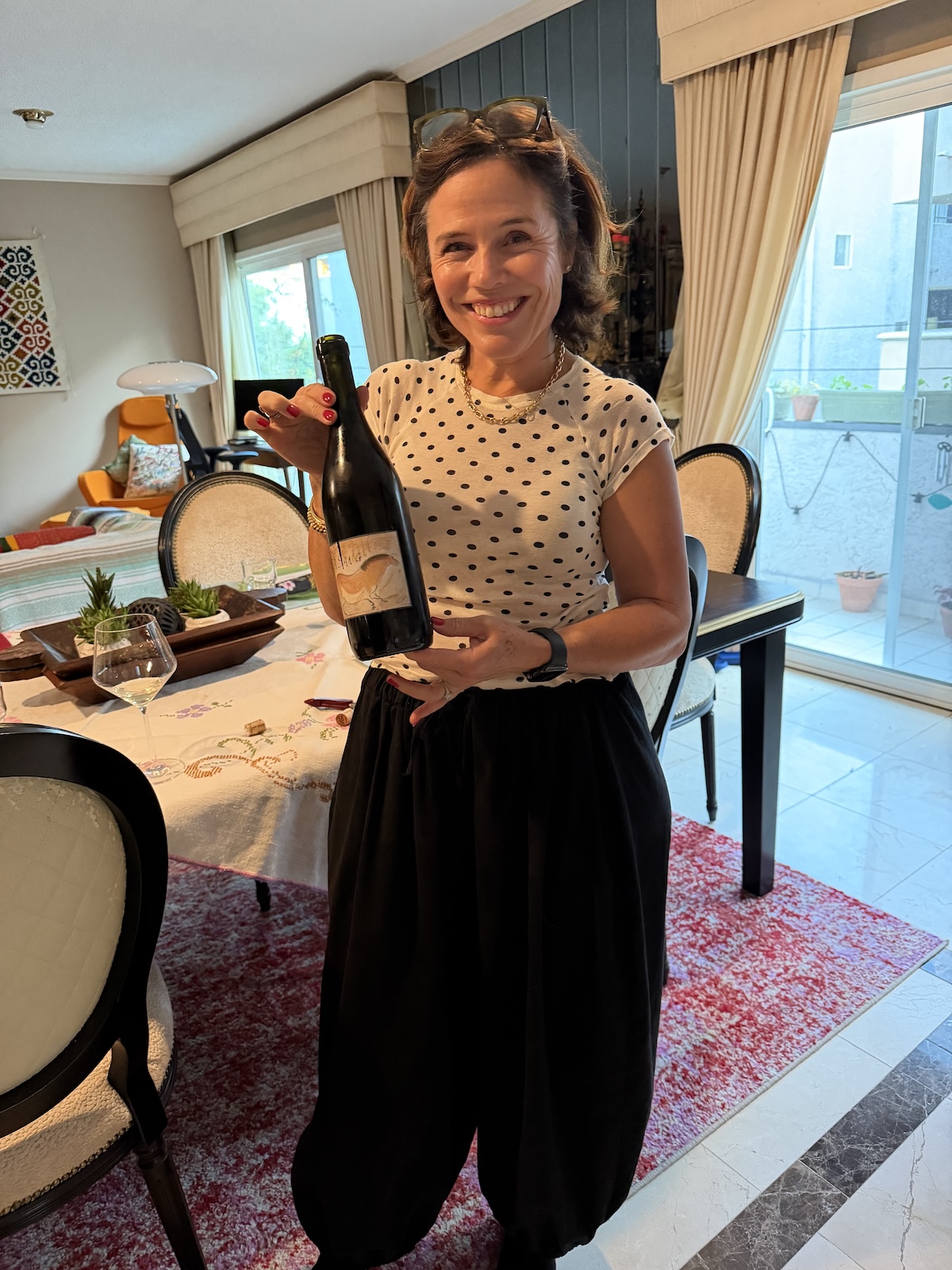
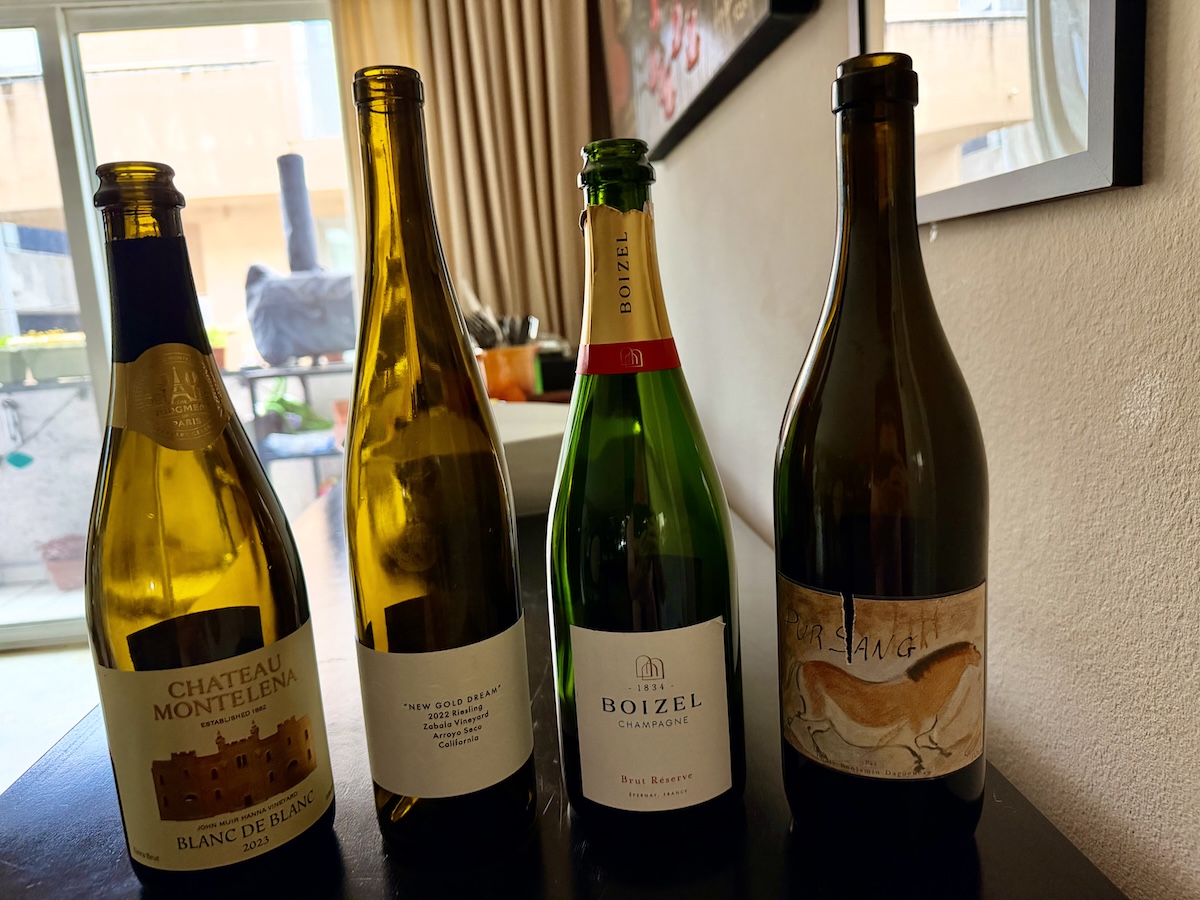
Katherine Jarvis brought a 2014 Pur Sang from Domaine Dagueneau. (Brockhaus Images)
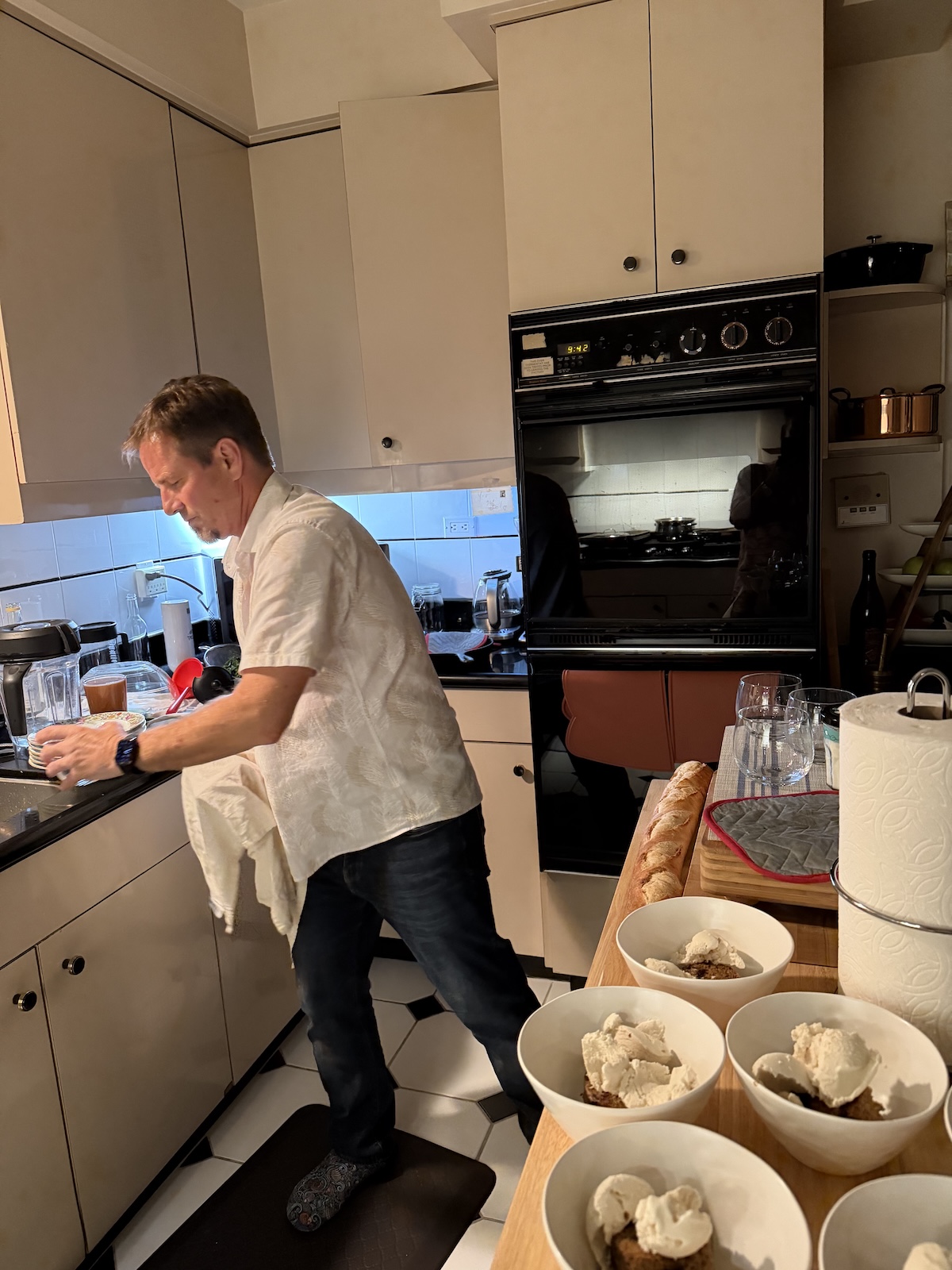
I cooked the salmon at 300 Fahrenheit for about 20 minutes. (Brockhaus Images) Shannon Windham, a great cook, is never an unwanted guest. (Bethany Burke)
Shannon at work. (Brockhaus Images)
A few of the bottles we shared. (Brockhaus Images)
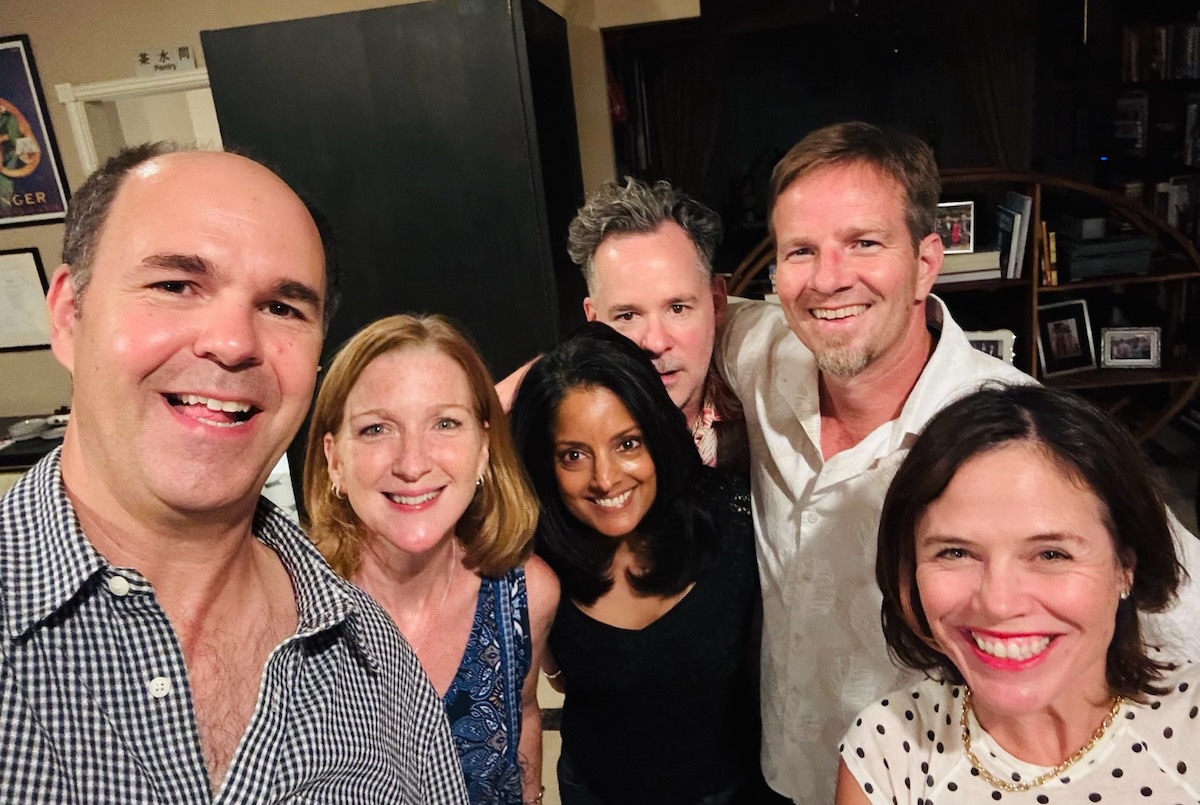
They gathered around a table … (Brockhaus Images)
There are few things in life I love and appreciate more than cooking and sharing my food with others, especially friends and family. It is love’s labor, a work and passion for which I live. I hope on this holiday that whatever you cook is delicious, and that you are able to share it with people you love.
Last Sunday I attended a party devoted to rosé, an annual gathering organized and hosted by several individuals in the wine industry. It takes place in the backyard of a home in Santa Monica graced by a beautiful coast redwood tree, and serves as a reunion for may of the attendees, as well as an occasion for many to meet people new to them. Not everyone at the party is in the wine business, but many are, and the wines assembled by attendees are myriad and diverse, though all are rosés.
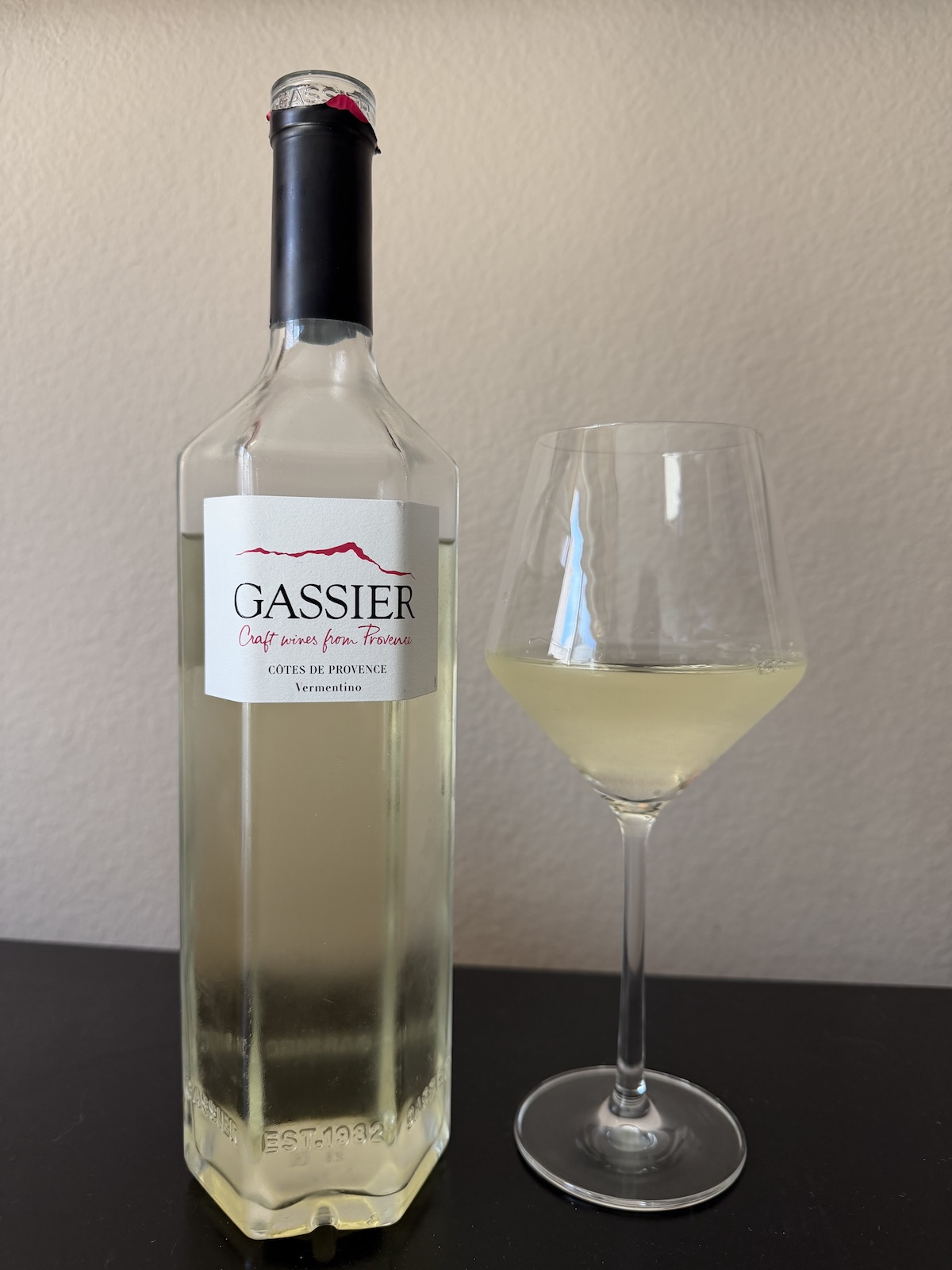
Coincidentally, I sampled a wine this week from a legendary land of rosés that I liked immensely. But it’s not a rosé. It’s the 2025 Château Gassier Côtes de Provence Blanc, 100 percent vermentino, made by Léa Rouyet, a Basque Country-born winemaker who’s been at Gassier since 2015.
A wine from a beautiful, sun-drenched region of France. (Brockhaus Images)
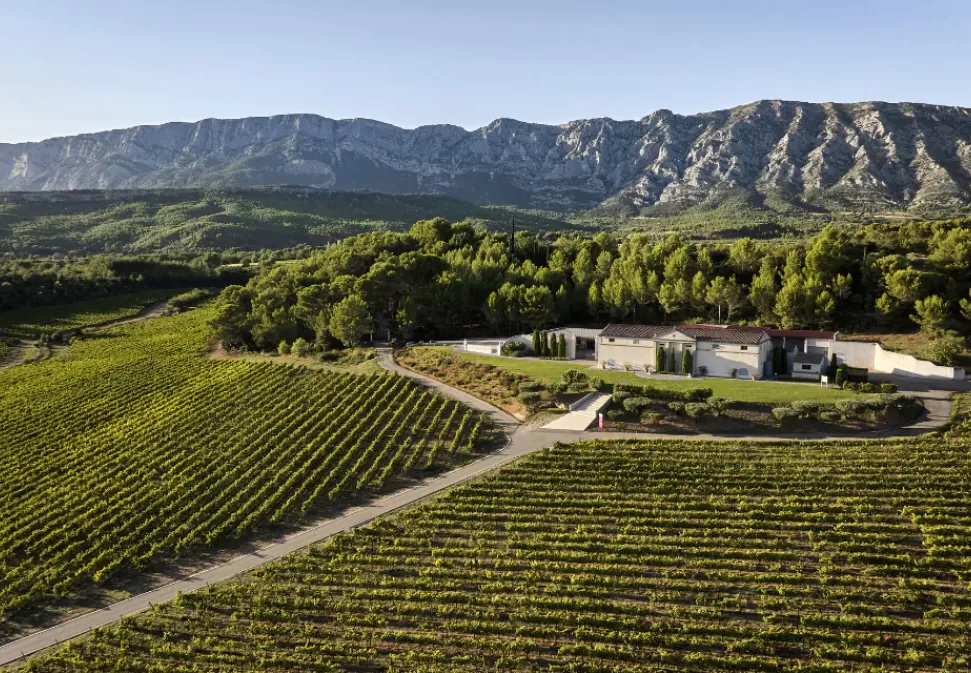
This wine hails from Sainte-Victoire, a storied area replete with vineyards that produce elegant rosés and stellar, if underappreciated by many, whites. Gassier harvests the wine’s fruit at night, which helps reduce oxidation. Direct and slow pressing, with minimal contact between skins and juice, gives a freshness and seductive color to the finished project. Poor soils of clay and limestone have created a wine with a rich body and energetic, stellar acidity.
The Gassier winery, in Puyloubier, France, sits at the foot of Mont Sainte-Victoire. (Château Gassier)
In the glass this wine is very light in color, and appears almost irridescent in certain light. Aromas of white stone fruit and lemon blossom dominate, followed by soft melon and minerality on the palate. This is a thoroughly refreshing wine, one that I paired with a honeydew melon and prosciutto. It would also pair well with oysters or a tuna ceviche.
Léa Rouyet is the winemaker at Château Gassier. (Château Gassier.)
This wine sells for around $20, and is a good one to have around for when that impromptu guest stops by. I have a bottle in my refrigerator now, and look forward to opening it soon. Find it here.
Seyval blanc. Heard of it? If not, you are not to feel badly. While it is a grape that has been around for a while, and has proven its place in the wine world, it is not widely planted in North America — estimates hover between 700 and 900 acres in the United States and Canada. For comparison, upwards of 75,000 acres of pinot noir, and more than 115,000 of cabernet sauvignon, are planted in the two countries.
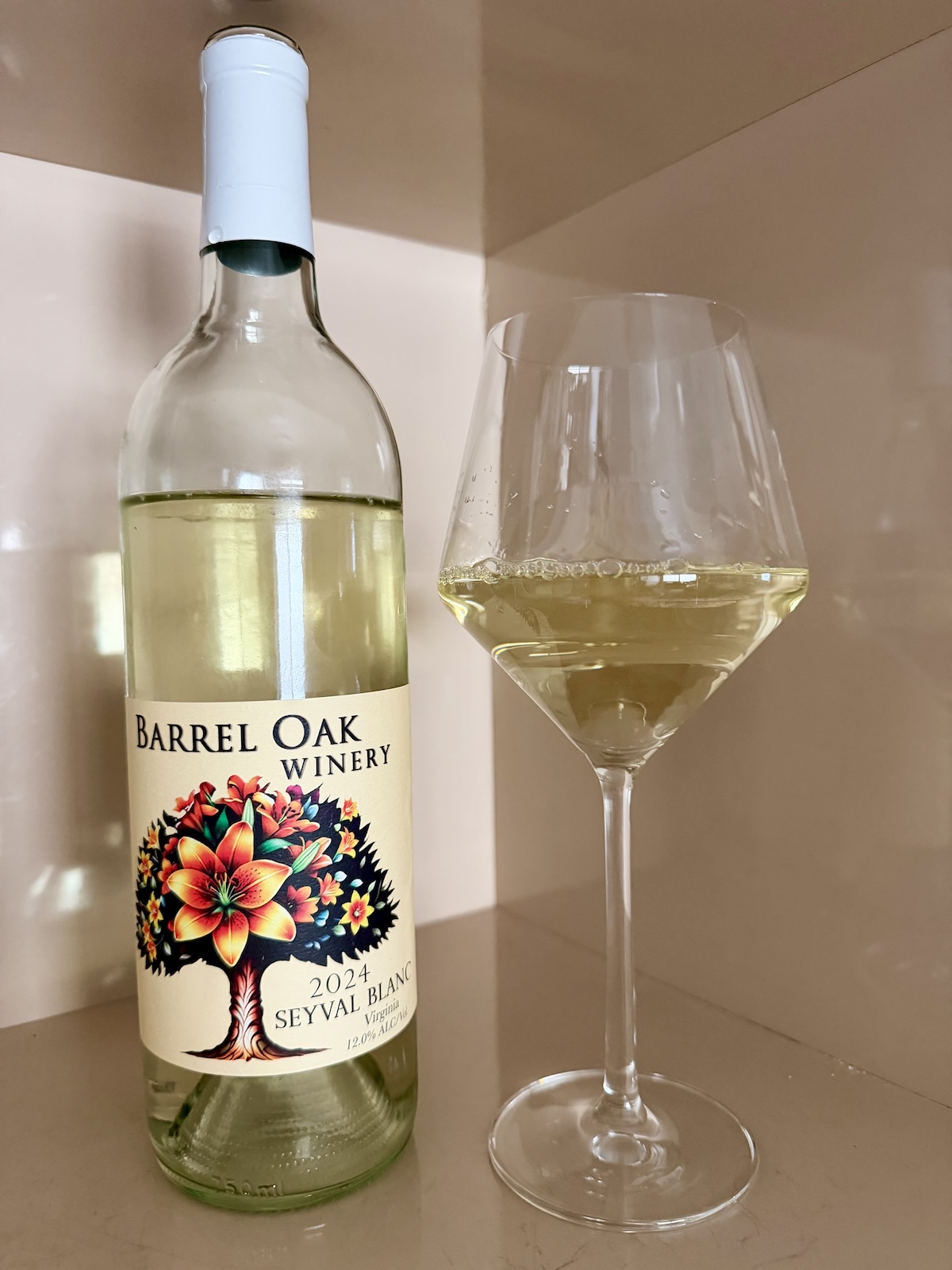
This is 100 percent seyval blanc from Virginia’s Barrel Oak Winery & Brewery. (Brockhaus Images)
Seyval blanc is a hybrid, and was developed by Bertille Seyve and his father-in-law, Victor Villard, in the 1920s in their nursery in France. For those who appreciate such information, it is a cross of 50 percent Vitis vinifera, 37 percent Vitis rupestris, and 13 percent Vitis licencumii. It is a high-acid grape, and it tends to ripen early, which makes it particulary suited to cooler climates.
And cooler regions is where it shines, including England, where makers of sparkling wine are using it to great effect; the Finger Lakes region; Canada; and the Lake Erie AVA.
Virginia is also a player here, a state in which recent statistics indicate that about 40 acres of seyval blanc are planted. It is produced by myriad wineries, including Barrel Oak Winery & Brewery, a 78-acre estate responsible for my wine of the day.
Barrel Oak Winery & Brewery encompasses 78 acres in Virginia’s Piedmont region. (Barrel Oak Winery)
The 2024 Barrel Oak Seyval Blanc is a cork-closure wine whose fruit is grown in the estate’s B-Block plot, which is situated between 500 and 700 feet above sea level in the Middleburg AVA. Soils are marked by clay with deposits of gneiss and granite, a composition that gives this wine an appealing minerality on the palate. Alcohol is 11.25 percent, 353 cases were produced, and it did not go through malolactic conversion. This is an all-stainless steel creation, crisp, bright, and lively.
Jeremy Ligon, Barrel Oak winemaker, joined the estate in 2021. (Barrel Oak Winery & Brewery)
In the glass, the wine is a pale, soft yellow, and body is light to light-plus. Harvest brix of 22.0 should leave us with ample acidity, and a first taste of the wine makes that evident. Orange flower is definitely in the aroma and on the palate, along with bright apple, perhaps Granny Smith. I served this bottle with sautéed crayfish and angel hair pasta, and the winemaker team, led by Jeremy Ligon, suggests seared trout with lemon and capers, which I’ll try next time I drink this wine. It carries a suggested retail price of $30 (purchase from the producer or search here.
I’m working on a profile of Barrel Oak that will include a discussion with Ligon, and I’ll soon be sampling the estate’s 2022 Chocolate Lab, a port-style product, and the 2023 Vidal Blanc. Keep your eye on Virginia, a state with more than 300 wineries within its borders.
This story was originally published in PaperCity on Sept. 1, 2026. Read the original version here.
Recent Comments