Wine, Food, and Other Vital Things

Tag: wine (Page 1 of 7)

It’s Back, And Better Than Ever! Festival of Undiscovered Grapes Los Angeles Returns

An event I rate highly is right around the corner. It’s the Festival of Undiscovered Grapes, and it takes place this year on March 28 in Los Angeles, directly on the heels of the inaugural San Jose edition of the event. (This year I am offering readers a few discounts on tickets to the festival, so read on.)

More than 60 wineries from California will be pouring everything from clairette blanche, bourboulenc, counoise, xarelo.lo, fiano … Wait, what is that I hear from some of my readers? What is bourboulenc, you ask, and fiano? Pouring what? Well, for those who are unfamiliar with those grapes, that is, in a nutshell, the focus of this event: to highlight lesser-known varieties and introduce them to more people.

Rob Sinton, who along with his father, Tom Sinton, owns Starfield Vineyards, is returning to the festival this year. (Sandoval Media)

Nine varieties — chardonnay, sauvignon blanc, pinot grigio, cabernet sauvignon, merlot, pinot noir, zinfandel, syrah, and petit sirah — comprise 93 percent of total wine grape plantings in California. However, 110-plus varieties are planted in the state, which means an abundance of other wine grapes are looking for attention and love. No, those other grapes are not literally “undiscovered,” but they are unknown to and underappreciated by many people, something the Festival of Undiscovered Grapes hopes to rectify.

Kevin Lee, co-owner of Marchelle Wines, greets a taster at last year’s festival. (Sandoval Media)

“It’s exciting to understand and appreciate the vastness of the wine world in California, and this is an event that you’ll want to come to with an open mind and have fun discovering things,” says Allison Levine, the event’s founder. “We’ll have more than 70 great varieties being poured.”

Tablas Creek Vineyard will be back at the festival this year. (Sandoval Media)

Levine owns Please the Palate, a marketing, branding, events, and education firm focused on wine and spirits. She’s also a friend of mine, a fact that in no way biases my assessment of The Festival of Undiscovered Grapes. This year’s Undiscovered will be my third — I was unable to make it to the San Jose premiere edition — and the first two were among the best wine events I’ve experienced. Smaller producers are given the opportunity to shine, and I love that attendees can meet and talk with them one on one. There are some outstanding people behind these wines, and I never tire of speaking with them.

Allison Levine, founder of The Festival of Undiscovered Grapes, toasts attendees at the 2025 event in Los Angeles. (Sandoval Media)

Speaking of producers, the lineup this year feature some great names, including Alta Colina Vineyard & Winery, Lava Cap Winery, Two Shepherds, Tablas Creek Vineyard, Marchelle Wines, Giornata Wines, Starfield Vineyards, and Stolpman Vineyards.

Of course, one of the main reasons to attend a wine tasting is to sample as many wines as one can. To do so in an efficient and responsible manner, be sure that you carry a spit cup, drink lots of water, and eat something — food will be available for sale at the festival. Finally, consider using rideshare

Rebekah Wineburg, winemaker and co-owner of Post & Vine, helms her table at the 2025 Festival of Undiscovered Grapes. (Sandoval Media)

Another reason to attend an event such as Undiscovered is that you can purchase wines from myriad producers in one place. What makes Levine’s event special is that there are no minimums: You can pick up a case or two of a particular wine, or mix and match without restriction, or you can buy a single bottle and call it a day. There is no pressure, and no complicated details. In addition — and this is a big deal — if you purchase 12 bottles or more and reside 60 miles or closer to the event venue delivery will be free.

Larry Schaffer, Tercero Wines owner and winemaker, pours at the 2025 Festival of Undiscovered Grapes in Los Angeles. (Sandoval Media)

You’ll need a ticket to attend, of course, and I recommend getting VIP passes, because the $125 price gives you a lot, including noon admission (as opposed to 2 p.m. for general admission tickets), a pre-tasting discussion on Lodi wines with Stuart Spencer, executive director of the Lodi Winegrape Commission, and David Glancy, a master sommelier and instructor at the San Francisco Wine School, free delivery of any wines you order at the event with no minium requirement, a ticket for one food item, an Undiscovered Grapes T-shirt, and, last but not least, a Festival Passport, which includes offers from participating wineries and sponsors such as free tastings and tours, special experiences, and discounts.

Attendees at the 2025 edition of The Festival of Undiscovered Grapes. (Sandoval Media)

As promised, and because I want to see as many of you on March 28 at the festival as possible, here are some discount offers for tickets to the festival. First, for those planning to go solo, click BROCKHAUS10 to get $10 off any ticket (VIP or GA). Going with a friend or partner? Click BROCKHAUSBUNDLE to save $30 on two tickets.

DETAILS
The Festival of Undiscovered Grapes
Saturday, March 28
Mica Studios
356 South Mission Road
Los Angeles, CA 90033
Click here for map
12:00 p.m.: VIP Entrance
2:00 p.m.: General Admission
5:00 p.m.: Event ends
VIP: $125 plus Humantix fee
GA: $75 plus Humantix fee

Stunning Cool-Climate Whites, Beautiful Labels: Cadre Wines Shine

One should not judge a bottle of wine by its label. To begin, aesthetics are for the most part subjective. A cute kitten on a label might appeal to you, while your partner finds it sappy and not suitable. However, labels are not to be overlooked or disregarded.

At the basic level, one can learn the specifics of a wine, say, a riesling or Champagne, by reading the label. Trocken? Demi-sec? Monopole? There you go. Labels are also — or can be — art. They can espouse a philosophy or viewpoint, and they can represent a family or region. They can do and be all of those things. Don’t buy a wine based solely on its label (but if you choose to do that I will not shame you), but do keep in mind that the label is there for a reason.

I recently received a four-bottle shipment from Cadre Wines, and the labels are beautiful. Some might even say they constitute art. Again, that can be subjective, but I love these labels. And there’s a bonus here, because the wines are also lovely, and each is one you’ll want to pair with food. (Which brings up another topic: I am a firm believer that wine should always, or mostly always, be enjoyed with food, but some wines go better with food than do others.)

Three white wines from the San Luis Obispo Coast. (Cadre Wines)

The couple behind Cadre, John and Lucy Niven, are no strangers to the wine world. John’s grandfather, Jack Niven, was a San Luis Obispo luminary and is referred to by many as the pioneer of the Edna Valley. In 1973 he established Paragon Vineyard, which is the oldest continually producing property in the Edna Valley. The family sold Paragon and Niven Family Wines in 2020; John and Lucy founded Cadre Wines the same year and source fruit from the vineyard.

Lucy and John Niven took out a second mortgage to launch Cadre Wines.

John Niven is a third-generation vintner, and one can taste his experience in these wines, all of which are fermented and aged solely in stainless steel, have screw cap closures, and retail for a suggested price of $30.

Here is the Cadre lineup I sampled:
2024 “Stone Blossom” Sauvignon Blanc
2024 “Sea Queen” Albariño
2024 “Band of Stones” Grüner Veltliner
2024 “Beautiful Stranger” White Blend

I recently participated in a virtual tasting hosted by John Niven, and he led us through the four bottles after sharing the story of his family’s history in the wine business. A few nights earlier I had opened the grüner veltliner with friends while dining at an Ethiopian restaurant, and it was perfect with the vegan cuisine (lentils, cabbage, carrots, potatoes); the grüner’s fruit is the product of the first coastal planting of the variety in California, which dates to the late 2000s. The three other wines I first tasted during the virtual session. The word “crisp” could be used frequently in this piece, because these wines demonstrate that characteristic in abundance. Cool-climate white wines is the key phrase here, and Niven has made some stellar examples.

Try this with a curry dish.

The “Band of Stones” veltliner comes mainly from block 168 of Paragon Vineyard, a plot marked by well-draining soils containing limestone, sandstone, shale, and mudstone, all playing their roles in the wine’s sharp and complex texture. I loved the structured depth here, which certainly is influenced by fruit from Jack Ranch Vineyard, a steep, sandy property located at the northwest edge of the San Luis Obispo Coast AVA. The typical white pepper and floral aromas are lively here, as is a minerality melded with flavors of white pepper, citrus, and a note of ginger. Pair with curry dishes, grilled asparagus (yes, try it), or chicken schnitzel.

A wine influenced by the sea.

I like cool-climate sauvignon blanc, and Cadre’s “Stone Blossom” is an impressive one. It’s 100 percent sauvignon blanc (Clone 1, Musqué, and ENTAV Clone 530) from the Paragon and Salaal vineyards. Profound salinity was my initial impression, both on the nose and palate. Paragon Vineyard is about 5 miles from the ocean, and the maritime influence is strong in this wine. If you like sauvignon blanc, this is for you, and if you think you don’t like sauvignon blanc, please try this one. Aromas of Persian cucumber, lime, and soft coriander, followed by that salinity, mimosa, melon, and a bright herbaceous note, primarily tarragon and basil. I’d love to pair this with a meal of poached and grilled artichokes followed by a chicken and goat cheese salad.

Cadre’s 2024 “Sea Queen” has an interesting backstory that involves a relationship with Rías Baixas and the Morgadío Estate. In 2007, Niven journeyed to the region in Spain, which is considered the birthplace of albariño. He tasted a lot of wines and talked with as many winemakers and growers.

“We came back energized and knew immediately that Edna Valley could produce albariño to rival anything in Europe,” he said. Niven then procured cuttings from California growers whose vines had come from Morgadío, arguably Spain’s top source of albariño, and planted 45 acres in Paragon Vineyard, what he terms “the most ambitious albariño planting outside of the Iberian Peninsula.”

Cuttings from Spain resulted in this bottle.

Referring to similarities between the Spanish region and the San Luis Obispo Coast, Niven added: “Much of California’s albariño is grown in warmer inland regions. Our vineyards lie just 2 to 5 miles from the Pacific, shaped by the ocean in ways that echo the Atlantic influence in Spain’s Rías Baixas. Albariño is most at home by the sea. The cool breezes, fog, and maritime moderation allow it to fully express vibrant acidity, lifted aromatics, and salty mineral character indigenous to this stretch of California coastline. I believe the San Luis Obispo Coast is the New World home of albariño.”

Paragon Vineyard was established in 1973.

The “Sea Queen” is made with fruit from Paragon (block 163) and Morro View Vineyard, and this wine is one of the best examples of albariño I’ve had in a while. I’m going directly to the food pairing here, because if you have grilled shrimp (with garlic and parsley) on your mind do not hesitate to open this bottle when you sit at the table with your shellfish. I closed the bottle after the virtual tasting session and enjoyed it immensely with that very dish the next day. As with the Cadre sauvignon blanc, one can smell and taste the sea in this acid-driven wine, along with captivating aromas of peach and citrus and flavors of stone fruit, most notably apricot and muted nectarine.

Three things come together for one great bottle here.

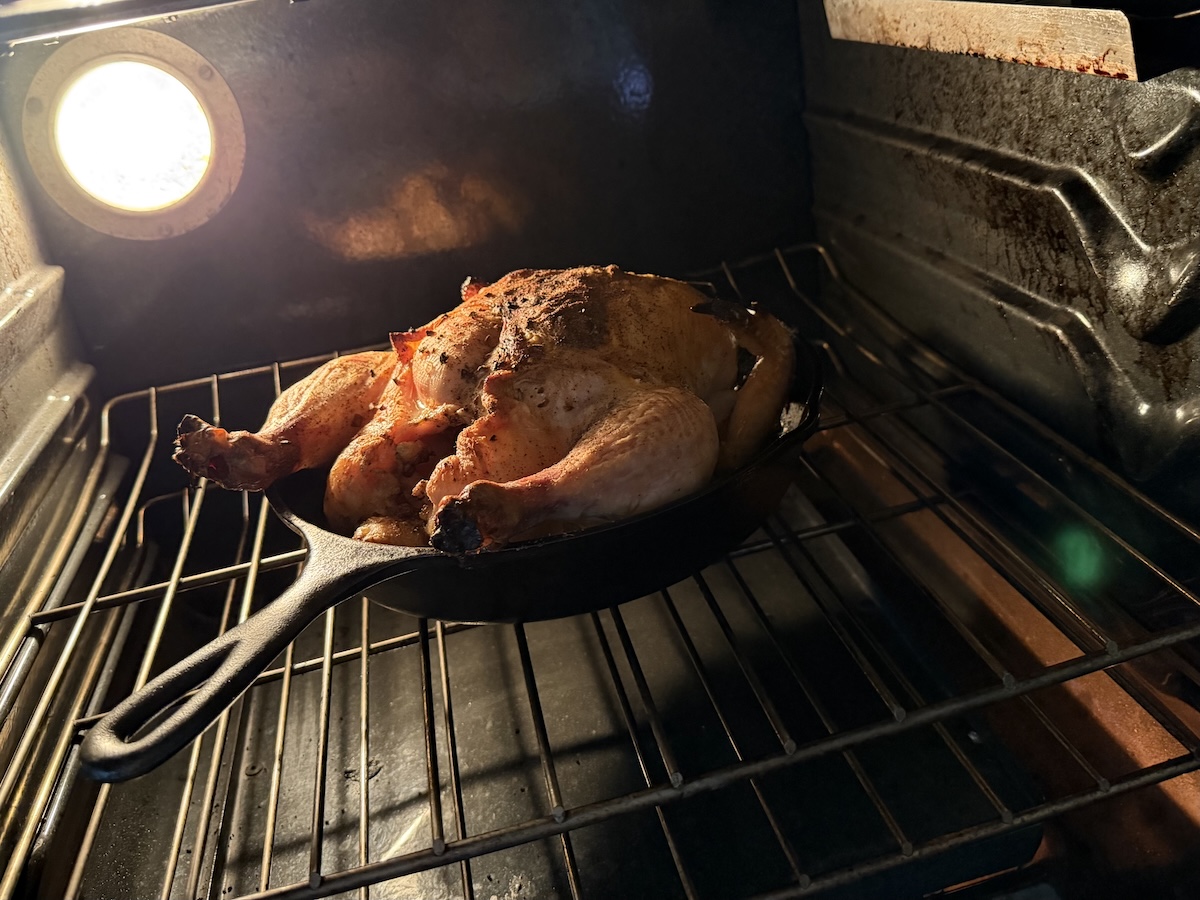
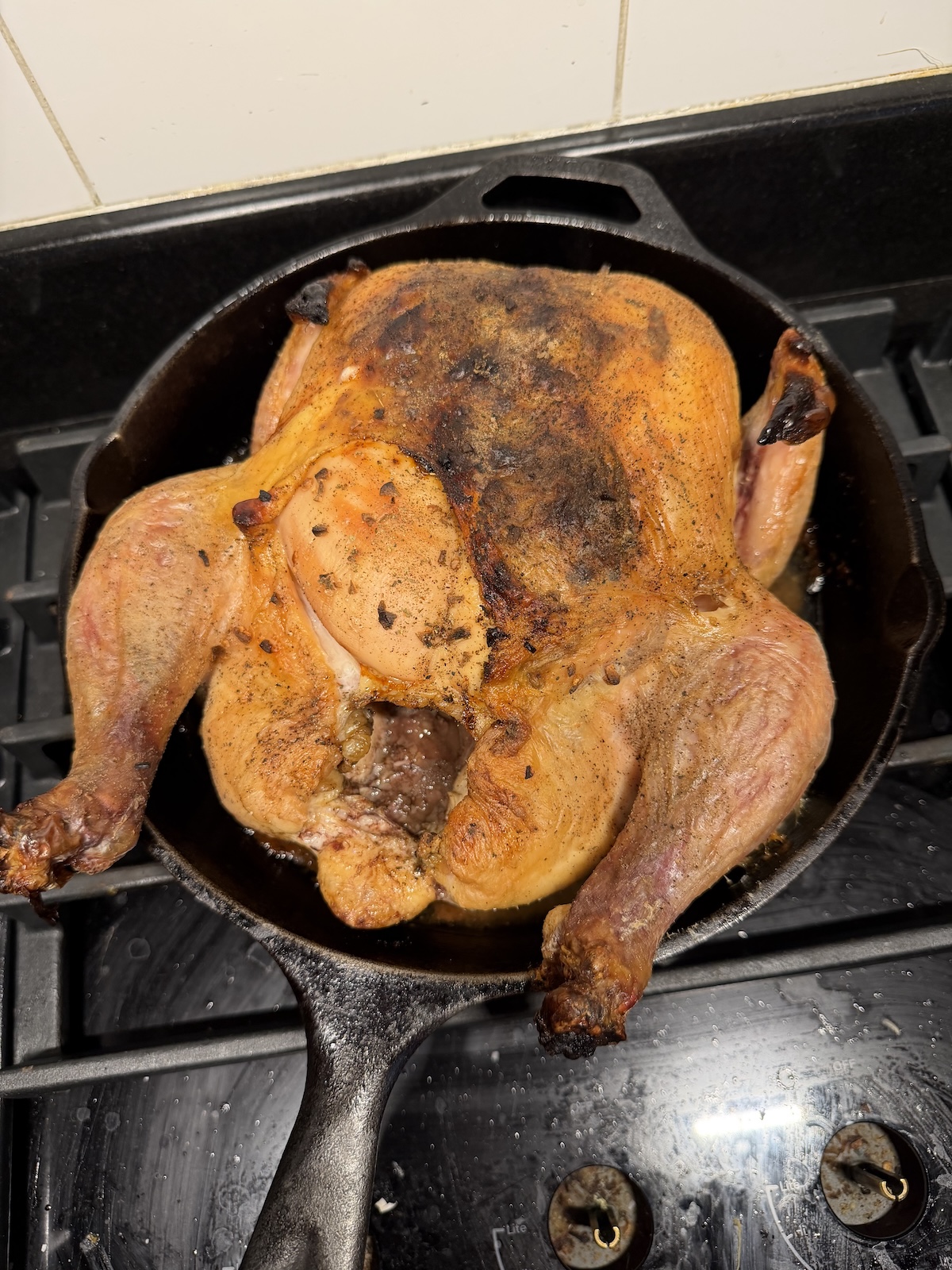
The final Cadre bottle I tasted was the “Beautiful Stranger,” a blend of 60 percent grüner veltliner, 30 percent sauvignon blanc, and 10 percent albariño. Fruit from Paragon and Salaal vineyards is used here, and tasting this one after the other Cadre bottles was a revelation. I could, by focusing on them, discern the individual components, and the interplay between the three was magical. The aromatics of the albariño, the concise minerality of the grüner veltliner, and the sauvignon blanc’s herbaceousness combine for something complex yet approachable. I have no doubt this would pair well with roast chicken, as well as with pasta al limone.

Cadre also has an Ode series, which includes “Ode to the Few,” a sauvignon blanc, and “Ode to the Sea,” an albariño. Both retail for $45. The former’s fruit comes from a single block marked by volcanic soil rich with iron, while the latter’s is sourced from Spanish Springs Vineyard, which lies 2 miles from the Pacific. I look forward to tasting these wines; you can purchase all of them here, or ask for Cadre at your favorite merchant.

My next tasting session will feature wines made from traditional Italian grapes — carricante, nerello mascalese, and nebbiolo —grown in Northern Sonoma County.

World of Pinot Noir Comes to LA

Alma Rosa winemaker Samra Morris, right, at this year’s World of Pinot Noir in Santa Barbara with Angela Shah and me.

As an appetizer to the main event, Wally’s Presents: WOPN LA is taking place on Oct. 25, and if you like Pinot Noir now is the time to get your tickets (purchase here). The Pacific Design Center is the venue, and from 2 p.m. until 5:30 p.m. you can taste wines from Alma Rosa, Calera, Bien Nacido, Dusty Nabor Wines, Kosta Browne, Presqu’ile Winery, and many other producers. Tickets are $125, and if you use promo code WOPN2025 you can save $50 if you buy two.

Dan Fredman pours Champagne at this year’s World of Pinot Noir.

I hope to see you there.

An Ancient Italian Grape, Plus a Serious Sonoma Pinot and a Texas Sparkler

Ciliegiolo. That’s an Italian word. It’s fun to pronounce. It’s fun to drink. And it leads this edition of Tasting Notes.

Ciliegiolo is a grape that originated in Italy, where it is found primarily, if not solely, in Tuscany, Lazio, Liguria, Puglia, and Umbria. The word translated into English means “small cherry;” its berries resemble that stone fruit and the wines made from them are redolent of cherries. It is not a variety that you are likely to have heard about on a regular basis, but those who know it are well aware of its value and importance. And since winemakers are paying more attention to it as a grape to shine on its own, as opposed to mainly blending it with Sangiovese to “soften” the latter’s profile, I hope this ancient grape will come to attract your attention on a more regular basis.

Ciliegiolo: An ancient grape with a disputed DNA. (Photo by Nick Belanger)

“In my view, Ciliegiolo is one of the most underappreciated grape varieties, allowing for wines of mesmerizingly pure aromas and flavors,” writes Ian D’Agata in “Native Wine Grapes of Italy” (2014), and I agree with him. (D’Agata’s book is one of my favorites on the subject, and if it is not in your library I urge you to acquire it, along with his more recent “Italy’s Native Wine Grape Terroirs.”)

Ciliegiolo’s parentage is the subject of ongoing debate. D’Agata included a compendium of DNA studies in his book that have been carried out on the variety, which was, according to the author, “most likely first described in the 1600s by Soderini, whose description of a Ciriegiuolo grapevine resembles the Ciliegiolo we know today.” D’Agata’s compendium is thorough and makes for fascinating study, and for readers who appreciate such things I recommend turning to page 248 of “Native Wine Grapes of Italy.” Suffice to say that researchers behind ongoing DNA analyses are sparring still as to the parentage and makeup of Ciliegiolo; is it a progeny of Sangiovese, or is it a natural cross of Sangiovese and Moscato Violetto? D’Agata concludes his say on the subject thusly: “Clearly, this is a matter that needs to be studied in more detail.”

I now embark on a brief journey into Giovan Vettorio Soderini, the Italian agronomist mentioned above, because I like history and biography and he had some influence on the craft of winemaking in Italy. Soderini, who was born in 1526 and died in 1596, was sentenced to beheading because of his protests against the Medici (he was born in Florence), but Ferdinando I de’Medici, Grand Duke of Tuscany, spared his life and banished him to Cedri, which today has a population of around 35 humans. Soderini had studied law and philosophy in Bologna, but turned his attention to agronomy following his banishment. Trattato della coltivazione delle viti, e del frutto che se ne puo cavare (“Treatise on the Cultivation of the Vineyard, and the Fruit That Can Be Obtained”) (Florence, Filippo Giunti, 1600) is according to many academicians his (posthumously published) masterwork, and copies of it can be purchased still today.

Back to Ciliegiolo, and a bottle of wine I sampled recently that leads this edition of “Tasting Notes.” It’s produced by Badia a Coltibuono and goes by the helpful name Chill Ya Jolo. It, too, is fun to pronounce, and I loved drinking it. It’s 100 percent Ciliegiolo, and sells for around $20. Yes, you should chill this wine well before drinking it.

Ciliegiolo: A grape that deserves wider recognition.

The 2024 Chill Ya Jolo was imminently approachable — I am looking forward to sampling the 2025 — and I tasted it after the bottle reached 65 degrees Fahrenheit. Winemaker Roberto Stucchi Prinetti, aided by consultant Maurizio Castelli, know what it means to put together a wine that makes you smile, and this one certainly does that. It comes with 12 percent alcohol, and 20,000 bottles were produced after aging in stainless steel.

Drink this with pizza, scallops, or a good hamburger.

Labels are made to attract the eye and impart information about the contents of a wine bottle. The ladybug (coccinella in Italian) on this one calls attention to Badia a Coltibuono’s approach to sustainable organic farming, and the Hesse quote is apt: Beauty is in the details.

Back to a little pertinent history now. Badia a Coltibuono — Abbey of the Good Harvest (or Cultivation) — was established in 1051 by Giovanni Gualberto (sainted in 1193 by Pope Celestine III), who founded the Benedictine Vallumbrosan order. It functioned as an abbey until 1810, when it was unable to withstand Napoleon’s assault on the Church. Michele Giuntini, a banker from Florence and ancestor of the current owners, the Stucchi Prinetti family, bought the property in 1846, and that began the estate’s journey to becoming a leader in the Chianti Classico universe.

This wine is liquid ruby; holding a glass to the light makes the Chill Ya Jolo even more inviting. The cherry aroma here is profound — it made me think of a time I had a particularly fresh basket of Lapins cherries and after rinsing sliced a few of them and caught their scent. A little heady, lots of vivacity.

I paired this wine with seared sea scallops; I put the Maillard reaction to good use and made sure that the scallops showed its effect, because that’s a mix of flavors you’ll remember for a long while. The wine’s brightness and lively fruit seemed made for the seafood, which was prepared with a briny vanilla cream sauce.

Chill Ya Jolo might be seen as a summer wine, but in my house wines similar to it are consumed around the year. No reason to put strictures on matters such as these.

The 2022 Nestweaver Sonoma Coast Pinot Noir is next, and it excited my senses for a good while following my initial taste. A subtle aroma blend of raspberry and sweet cherry put me in an expansive mood on the afternoon I sampled this wine, which was made by Patrick Nyeholt. A secondary note on the nose is dried mushroom, a scent that gives this wine a restrained wildness. Its garnet color in the glass promises what I discerned as seriousness.

Nestweaver Wines was launched in 2021 by Caren Frutig Hatton — you might know her as the co-founder of Arietta, which she established alongside her husband, Fritz Hatton, and John and Maggy Kongsgaard, in 1996. “Nestweaver represents the elegant, nuanced Pinot Noir I envisioned creating for over 20 years, and Patrick Nyeholt is the winemaker to bring my vision to fruition,” Frutig says.

Patrick Nyeholt, Caren Frutig Hatton, and Jeffrey Corpuel stand in the Corpuel Family Vineyard, located in California’s Sebastopol Hills. (Photo courtesy Nestweaver)

Some might question the wisdom of pricing the second vintage of a wine produced from purchased fruit at $125, but the market will have final say, as it almost always does. I will say that I have tasted a good number of wines sold at higher prices that satisfied me less than the Nestweaver did, and I’ll leave it at that.

The 2022 vintage — 14 percent alcohol, 122 cases produced, 100 percent Pinot Noir — saw 30 percent new French oak, and nine months of élevage resulted in something that is delicious now and worthy of aging; 140 cases were made. Frutig Hatton says her grandmother, who created a “loving sanctuary” for her family, was the inspiration for the wine, whose label was designed by Frutig Hatton’s daughter, Hattie.

Nestweaver represents the elegant, nuanced Pinot Noir I envisioned creating for over 20 years, and Patrick Nyeholt is the winemaker to bring my vision to fruition.

Nestweaver Wines founder Caren Fruitig Hatton

I find this a cerebral wine, and its soft tannins contribute an elegant touch. Fruit comes from the Corpuel Family Vineyard, a 7.6-acre Sebastopol Hills property planted to Pommard, Swan, and Vosne-Romanée clones by Ulises Valdez, who sadly passed away of a heart attack at the age of 49 in 2018.

Patrick Nyeholt is the head winemaker at Nestweaver, and serves as associate winemaker at Arietta.

I paired the Nestweaver Pinot Noir with a lamb chop seared simply with olive oil and rosemary; the wine gracefully melded with the protein’s gaminess, and the lamb elevated the wine’s midpalate. Nyeholt, who began working under Andy Erickson at Arietta in 2011 and was named head winemaker at Nestweaver in 2022, has produced an intriguing wine, one I hope to revisit soon.

I am a proponent of opening a bottle of sparkling wine as often as one can, be it Champagne, cava, or anything else bubbly and made well. Sharing a bottle with friends and family at the table is a ritual that can slow the pace of a hectic day, encouraging conversation and contemplation. Closing out this edition of Tasting Notes is a wine from Texas, the 2021 Heath Sparkling Wines Adoration. It has a suggested retail price of $61 — Heath club members can get it for $52 — and is a Pinot Noir-dominated blend: 77.2 percent of that sparkling mainstay, along with 17.2 percent Chardonnay, 3.8 percent Pinot Meunier, 1.5 percent Pinot Gris, and .3 percent Pinot Blanc.

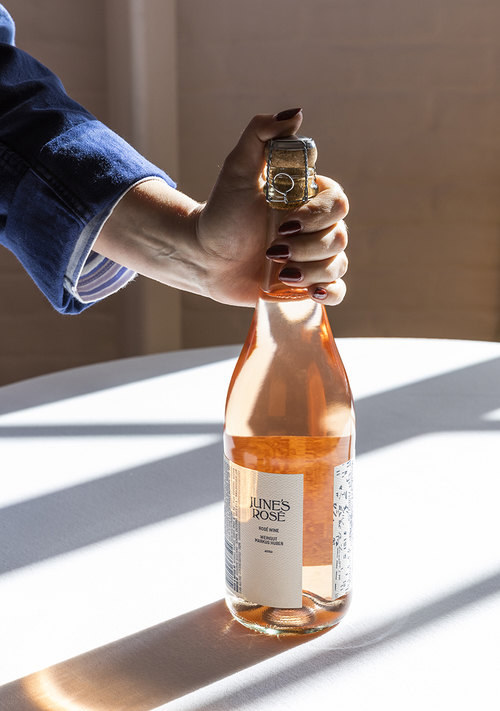
Make a platter of spicy friend chicken and pair it with this sparkling rosé.

This sparkling rosé was sampled after being chilled to around 46 degrees Fahrenheit, a temperature that served it (and me) well. A beguiling pale coral hue invites one to sip and savor this wine, which smells of wild strawberry, Bing cherry, and rose petals, a balanced melange. In the mouth, red fruit flavors dominate, then a fine citrus blossom note comes along to finish the experience.

The Heath Adoration is classified as a Brut and has .75 percent residual sugar. It spent only 20 months on the lees, which likely explains the large, vigorous bubbles in the glass. The acidity here is impressive; I paired this bottle with a platter of fried chicken that I made with a slightly spicy batter, and the combination was nearly perfect.

What I’m Reading: Fake Champagne, Pesticide Dangers, and Henry Louis Gates Jr. on Jamaica Kincaid

Didier Chopin’s life has been a touch hectic during the past several years. The winemaker was sent to jail this week for 18 months after being found guilty of selling hundreds of thousands of bottles of fake Champagne — or should I write “champagne”? He’s also facing sexual assault charges. He was sentenced in a court in Reims. Fake bubbles are not cool.

It was, for a long while, my favorite restaurant in New York. Wedding anniversaries and birthdays were all celebrated there, and I never had a bad time at the Waverly Place Italian destination, no matter if dining at the bar (where on one evening I had a long and pleasant conversation with Jay McInerney), upstairs in the former hay loft, or at “my” table at the far end (on the right) of the downstairs dining room. Babbo was the place — is the place. I sadly had my first awful experience at the restaurant back in 2019, the last time I was there for dinner, so am looking forward to seeing how Mark Ladner transforms the place. He knows it and its creator, Mario Batali, quite well, after all. I hope the Mint Love Letters are on his menu.

A new owner and chef for an old favorite of mine. (Photo by Heath Brandon)

Jess Lander has written a downright dystopian article in the San Francisco Chronicle about the 2025 harvest in California. “Tens of thousands of acres of vineyards have been ripped out across the state, and despite mostly ideal weather conditions this growing season, more than 100,000 tons of California wine grapes will likely be left on the vines to rot — for the second consecutive year,” Lander writes. Brutal, indeed.

To continue in the less-than-good-news category, proposed federal legislation that seeks to bar states from regulating pesticides and insecticides is in danger of being passed into law. A provision in the legislation, section 453, prohibits the EPA and adjacent agencies from updating production warning labels from original conclusions under the 1947 Federal Insecticide, Fungicide, and Rodenticide Act. According to WineBusiness.com, in an article written by Michelle Williams, section 453 would “grant immunity to all foreign and domestic manufacturers” of these products for failure to “warn about product hazards.” It does appear to be as bad as it seems. Want more glyphosate and paraquat on your vines?

In better news, the Texas Wine Month Passport 2025 is available for purchase now. It gives you access to tastings, discounts, events, and other good things going on at more than 45 Texas Hill Country wineries from October 1 through October 31. A portion of the proceeds from passport sales goes toward the Texas Hill Country Wine Industry Scholarship Fund, so your pleasure will also help others.

There is, of course, more to this world than wine. Mise en Place, my site, is subtitled “Wine, Food, and Other Vital Things,” and literature and books are two of those vital things in my life. Henry Louis Gates Jr. has written a wonderful piece on Jamaica Kincaid’s work and life in the current issue of The New York Review of Books, and I recommend it wholeheartedly, whether you are familiar with Kincaid or not. Gardening, writing, Black literature, a moving, tempestuous relationship with a mother, and a woman whose early years in Manhattan have long enthralled me. Kincaid is the real thing, and has been for decades.

This week’s reading roster ends on a book, one that should, I strongly posit, be in the library of anyone who respects French wine, its history and place in the world, and its present and future. Get yourself a copy of Jon Bonné’s The New French Wine and revel in Chablis, Pinot Noir, insightful and moving profiles of producers and winemakers, and maps and impressions and opinions. It’s a great book, and will provide you with a lot of reading pleasure. You’ll learn some good things, too.

Tasting Notes: An Aligoté, Merlot, and Sauvignon Blanc on Offer

2023 Abbey Road Farm Estate Aligoté, Yamhill-Carlton, Oregon

Aligoté can divide. There are those who disdain it openly, proud, it appears, to proclaim loudly to anyone who will listen that it is not worth the effort it takes to make, that the best Aligoté is inferior to the worst Chardonnay. On the other side of the line are the sane, knowing individuals, the ones who appreciate Aligoté and share their enthusiasm for it with their friends and acquaintances. If you encounter a character who belongs to the first group, nod in agreement and walk calmly away.

Aligoté is a proud grape; Burgundian winemakers love it (check out Les Aligoteurs) and yes, you’ll traditionally find it in your Kir cocktail. (Fascinating history and story behind that apéritif. It was originally known as a “blanc-cassis,” but now honors Félix Kir —1876 – 1968) — a former mayor of Dijon who served the drink to delegations visiting his city to showcase his region’s offerings. What was once made with crème de cassis and red wine had to be made with white wine after the Nazis had their way with Burgundy’s red wine stocks, and the tradition lives on. Put one part crème de cassis in a wine stem and follow with nine parts white wine. Here’s a recipe from the International Bartenders Association.)

Aligoté is in no way an inferior grape, contrary to what the misguided proclaim. It is a cross between Gouais Blanc and Pinot Noir, it is, after Chardonnay, the second most-planted variety in Burgundy, and it represents great value.

Drink this with oysters on the half shell.

One Aligoté that I enjoyed recently is Abbey Road Farm‘s 2023 vintage, available for $35 directly from the producer. I opened the sample bottle and thought, “I must pair this with briny, small oysters,” which is what I did. Royal Miyagi, with lemon and mignonette sauce. Poached shrimp would also be excellent. The wine carries a refined note of salinity, along with unripe apricot and Granny Smith apple. Delicate floral aromatics add to the pleasure. Whole-cluster pressing was used, and this estate Aligoté was aged sur lie for eight months in neutral French oak (70 percent) and in one new Austrian oak puncheon. Drink now.

Abbey Farm Road is an 82-acre farm, winery, and bed and breakfast in Carlton, Oregon. (Abbey Road Farm)

2022 Markham Vineyards Merlot, Napa Valley, California

I have my mind on a Napa Merlot that also represents great value for the price, and I’d recommend finding it soon, because it’s sold out at the producer’s website (though the 2023 vintage will be along soon). I have found it at retailers in the $25-$30 range, however, and it’s worth every dollar. I paired the 2022 Markham Vineyards Napa Valley Merlot with a rack of lamb, and the duo was the centerpiece of a fine meal.

Kimberlee Nicholls is a veteran winemaker and leads the Markham winemaking team. (Markham Vineyards)

This wine, from an all-female winemaking team, is dark red in the glass and offers aromas of black stone fruit, sensuous and warm. You get the familiar cherry and plum flavors on the palate, and freshness and vibrancy that spark conversation. The 2022 Merlot spent 18 months in oak barrels — 30 percent new — and was fermented in stainless steel. It is 95 percent Merlot, 3 percent Cabernet Sauvignon, and 2 percent Malbec.

Markham’s estate vineyards — Yountville Ranch, Little Cannon, and Rockerbox —provide about a third of the fruit here, and head winemaker Kimberlee Nicholls and her team have produced a food-friendly wine that I’d gladly give to all of my cooking friends.

2024 Turnbull “Josephine” Sauvignon Blanc, Oakville AVA, California

Rounding out this edition of Tasting Notes is a Sauvignon Blanc from the Oakville AVA that I particularly liked. It’s available for $50 from the producer, Turnbull Wine Cellars, and holds a place on my list of top 10 Sauvignon Blancs tasted in the past year.

Turnbull Wine Cellars’ ‘Josephine’ Sauvignon Blanc: Graceful, complex, and delicious.

Peter Heitz is the winemaker at Turnbull, and he’s been quoted thusly in reference to this Sauvignon Blanc: “This wine gives me goosebumps — in the best way.” I did not get goosebumps when I tasted this wine, but I am in no position to quibble with Mr. Heitz, nor doubt his reaction, because I did love this bottle. I paired it with a pork loin (garlic, fennel, and parsley). Fermentation and élevage are carried out in terracotta amphorae, concrete tank, and French oak, and the result is an exhilarating journey of citrus joined with grace, complexity, and satisfying texture that pairs well with foods. I couldn’t ask for more in a Sauvignon Blanc.

Peter Heitz is a fourth-generation winemaker.

Fruit in this wine is primarily estate, from Turnbull’s Home Ranch and Fortuna vineyards, complemented by grapes from a North Coast site that sits at 1,600 feet above sea level. If you have friends who think Sauvignon Blanc is not worthy of pairing with serious food, who consider it a “pool sipper,” share some of this wine with them during a meal of the pork loin I mentioned and watch their reactions.

A Passion For Pinot: Kosta Browne’s Julien Howsepian

I love to talk about wine with people who share my passion for it. We open bottles, we trade stories about travel and soil types, terroir and residual sugar, and we talk of taste and food and restaurants. We recommend wines to one another, we drink, and we learn a lot.

In Wine Talk, I introduce you to friends, acquaintances, and people I encounter as I make my way around the world, individuals who love wine as much as I do, who live to taste, who farm and make wine. Whether my subject is a sommelier, a collector, a winemaker, a chef, a buyer, or an avid drinker of wine, you’ll appreciate their insight, and I hope you’ll learn something from them as well. 

Pinot Noir is loved by many drinkers of wine, for good reason. It can, when handled properly, produce wines that are aromatic in a profound manner, silky and supple, and sublime on the palate and in the brain and soul. As the great Henri Jayer said, “Pinot must be full and fleshy, fat and concentrated, but discreet, supple, and soft at the same time, and it must have definition.”

In America, which produces some great examples of Pinot Noir, Kosta Browne made its name with the grape. Dan Kosta and Michael Browne founded the brand in 1997, and the duo’s 2009 Sonoma Coast Pinot Noir won Wine Spectator‘s Wine of the Year award in 2011. Kosta Browne was bought by Texas Pacific Group in 2009, and then in 2014 by J.W. Childs Associates in 2014. The two founders parted ways with the winery after the latter deal. In 2018, Duckhorn Wine Co. purchased Kosta Browne and owns it still.

Julien Howsepian, the subject of this edition of Wine Talk, worked as a harvest intern at Kosta Browne for the 2012 vintage, and impressed Michael Browne and winemaker Nico Cueva (more on him below). They offered him a permanent position for the next harvest, and he has been the head winemaker at Kosta Browne since 2019. He has a French father and a Dutch mother, has a degree in viticulture and enology from the UC Davis, and was raised in Northern California’s Bay Area. Needless to say, he loves Pinot Noir. But he also has a soft spot for Chardonnay.

I write about Kosta Browne’s Burgundy Series recently, and hearing what Howsepian had to say about his ventures there was the catalyst for wanting to feature him in Wine Talk. Let’s see what’s on his mind.

James Brock: Tell us about three wines you think are drinking well at the moment. What makes them worthwhile? How about a food pairing for each one?

Julien Howsepian: 2010 Kosta Browne Garys’ Vineyard Pinot Noir. We featured this wine recently at our 20-year partnership working with the Franscioni and Pisoni families in Santa Lucia Highlands, and this wine was screaming. It had 40 percent whole cluster and was so complex and fresh for being almost 15 years old. Something simple like stewed trout in tomato sauce would be killer with a wine like this. 

Next, the 2021 Kosta Browne Gap’s Crown Vineyard Pinot Noir is a classic Kosta Browne wine. 2021 was an incredible vintage, a perfect growing season that produced wines with excellent aging potential but that are also fresh and elegant young. Being a year with slightly elevated acidities, I would love to pair it with a pork tenderloin with a cherry reduction sauce. 

2019 Domaine Chanson Clos de Feves 1er Cru Pinot Noir is an excellent wine from a resurgent iconic producer in Burgundy. Still affordable, 2019 was an excellent year in Burgundy, producing approachable wines that are really hitting their stride. This would be great with a terrine and baguette. Bon appetit! 

JB: If cost was no consideration, tell us the one bottle you would add to your personal collection, and why.

JH: I would love to add Gaja Barbaresco San Lorenzo to my personal collection. I visited many years ago and have loved the wines ever since, but rarely get the chance to enjoy them. Sometimes wine takes you on an adventure back in time, and that was a formidable trip to Italy and the rest of Europe, both personally and professionally. 

JB: What is your favorite grape, and why? If you don’t have a single favorite, tell me about one that you are especially passionate about.

JH: This one is an easy one for me: Pinot. Pinot Noir offers a lifetime of exploration through all the great growing regions of the world. The endless expressions of terroir, the ageability, the diverse food pairings … it’s the heartbreak grape for a reason. It’s just a lot of fun to try everyone’s different takes on how to make Pinot. And of course, there’s always Blanc de Noirs, so you know, there’s that to enjoy, too!

Pinot Noir, a grape that has broken many hearts and brought joy to millions. (Illustration by Felloni Claire)

JB: How about one bottle that our readers should buy now to cellar for 10 years, to celebrate a birth, anniversary, or other red-letter day? 

JH: As mentioned, I think 2021 was an incredible vintage for California Pinot, so I would recommend the 2021 Kosta Browne Cerise Vineyard Pinot Noir. Cerise Vineyard is located in Anderson Valley, which is a small appellation in Mendocino County. Cerise Vineyard is a unique hillside vineyard in a unique appellation, producing wines that are lower in alcohol, higher in tannin and not as fruity as most other California Pinots. And I think it’s perfect to age because the aromas will evolve beautifully as the tannins integrate over time. The 2021 is tasting phenomenal today, but I think its best days are still ahead. (Editor’s Note: Duckhorn Wine Co.’s purchase of Kosta Browne included Cerise Vineyard.)

Kosta Browne winemaker recommends that you cellar this bottle and uncork it in 2035. (Courtesy Kosta Browne)

JB: Where is your go-to place when you want to have a glass or bottle (outside your home and workplace)? 

JH: One of the most classic and best restaurants for ambience and food in Sonoma County is Underwood Bar and Bistro in Graton. Graton is a tiny, rural, unincorporated town whose downtown stretches all of one block, but Underwood is like stepping into a restaurant bar in the middle of a happenin’ city. Usually quite busy but rarely overcrowded, it’s frequented by many winemakers, grape growers, and others alike. 

JB: If there was one thing you wish everyone would keep in mind when buying and drinking wine, what is it? 

JH: Wine is a magical, mysterious product that is ingrained in our DNA. It’s also sometimes hard to understand and can be a little intimidating or pretentious. But wine is meant to be enjoyed, to be shared with food, family and friends. It enriches our lives in many ways, and is not meant to be taken too seriously. There’s a niche for that, but what matters most is that you love it, it is as simple as that and nothing more. 

JB: What is your “wine eureka moment,” the incident/taste/encounter that put you and wine on an intimate plane forever?  

JH: I remember the first time I tasted a Vincent Dauvissat Chablis Premier Cru. I certainly didn’t understand or appreciate it, because at the time I didn’t think it tasted like much. But my good friend and boss at the time, Nico Cueva, who would become my wine mentor, explained to me how to appreciate a subtle and elegant wine, and that wine doesn’t have to punch you in the face to be good. A wine can be ultra-refined, delicate, all about finesse and subtlety. And the way that wine evolved in the glass was remarkable, so after that I was hooked on Chardonnay.

Julien Howsepian inspects fruit at Kosta Browne’s facility.

JB: What has been the strangest moment/incident involving wine that you have experienced in your career? 

JH: I’m having a really difficult time thinking about the strangest moment, but one story comes to mind. I had a work dream one night during harvest that we were sorting fruit and there was a ton of garlic mixed in, but we couldn’t keep up with removing all the garlic. I ran up to find the winemaker who was in his office, which was dimly lit, and after telling him what was happening, he simply said, “Let the gold through.” I told the team my dream the next day, and everyone thought it was odd and funny. A week or two later, we were sorting a Pinot block from Anderson Valley, and there was a lot of Chardonnay mixed in. This block had some errant Chardonnay interplanted, and when I texted the winemaker about what to do, he responded, “Let the gold through.” It was a pretty funny moment, and very strange to have somehow foreseen that a bit.  

JB: What is your dream wine-tasting and touring locale?

JH: Argentina. I visited when I was in my 20s, but it was not a wine-related trip. The mountain backdrop to the wine country looks spectacular, and I love mountains. I’ve also never given the proper time to explore the wines of Argentina, so I’m sure I’d love them if I could find the time to take up another region. 

This bug is bad: Phylloxera and wine have an infamous relationship. (The Phylloxera, a True Gourmet, Finds Out the Best Vineyards and Attaches Itself to the Best Wines. Edward Linley Sambourne, Punch, September 6, 1890.)

JB: Your favorite wine reference in a work of literature?

JH: Favorite wine book: Phylloxera: How Wine Was Saved For the World, by Christy Campbell.

Canlis’ First Female Wine Director Moves With Intent

I love to talk about wine with people who share my passion for it. We open bottles, we trade stories about travel and soil types, terroir and residual sugar, and we talk of taste and food and restaurants. We recommend wines to one another, we drink, and we learn a lot.

In Wine Talk, I introduce you to friends, acquaintances, and people I encounter as I make my way around the world, individuals who love wine as much as I do, who live to taste, who farm and make wine. Whether my subject is a sommelier, a collector, a winemaker, a chef, a buyer, or an avid drinker of wine, you’ll appreciate their insight, and I hope you’ll learn something from them as well. 

Dining at Canlis had been on my agenda for a good number of years. I was in Seattle for a week or so back in 2010, part of an itinerary I had devised that included reuniting with friends residing on the West Coast (Portland and Seattle) and a visit with family in Florida.

I was living in Dubai at the time, working at a newspaper, and the trip was much needed. I wanted to get a table at Canlis during my trip, but part of my reason for being in Seattle was a reunion with some friends from my German high school, a gathering that featured a number of events and meals that took up most of my time. Canlis had to wait.

The welcoming and elegant entrance to Canlis. (Photo Courtesy Canlis)

Last year, I made it, finally. We flew up to Seattle, en route to Bremerton, where we would be staying with friends, former colleagues of mine with whom I worked at a newspaper in Westchester County, N.Y. Before taking a ferry over to Kitsap County we spent the evening at Canlis, a reservation for four secured with the help of Aisha Ibrahim, who was hired in 2021 as the restaurant’s first female chef – it’s had seven chefs, including Ibrahim, since it served its first dish 75 years ago. (Ibrahim, who helmed Canlis’ kitchen for nearly four years, has left the restaurant, along with her sous chef and life partner, Samantha Beaird; the pair plan to open their own place in either Los Angeles or New York. In other recent Canlis news, Brian Canlis is also parting ways with his family’s restaurant; he has accepted a role in Nashville with Will Guidara. His brother, Mark Canlis, remains at the establishment.)

A view into the main dining room at Canlis. (Photo by Kevin Scott/Canlis)

The meal was outstanding, as were the service and the ambiance. If you know anything about Canlis, you’ll be aware that it is an architectural star, and from the moment one glimpses the distinctive exterior of the restaurant the building itself becomes a vital component of one’s experience.

A quartet of dishes begins a meal at Canlis. (Photo by James Brock)

But the food and design at Canlis are not the foci of this piece. The star of this Wine Talk is Linda Milagros Violago, who happens to be the first female director of the restaurant’s vaunted wine program.

Fish done well at Canlis. (Photo by James Brock)

Violago was born in Winnipeg, and refers to herself as “a first-generation Filipina/Canadian and citizen of the world.” She’s worked – for more than 35 years – in restaurants in 13 countries, including at Michelin-starred luminaries in Europe (such as Mugaritz in Spain and In De Wulf in Belgium) and fine- and casual-dining places in North America, Charlie Trotter’s among them. She even, during the Covid pandemic, scooped and served ice cream at a shop in her Canadian hometown. She’s well traveled, and adaptable, to say the least.

Linda Milagros Violago sits at the piano in Canlis. (Photo by Amber Fouts)

Violago has also worked four harvests, and she’s brewed sake in Japan. When she’s not on the floor or in the cellar at Canlis, she’s traveling, practicing yoga – she teaches yoga and breathing to her colleagues – and spreading the word about the importance of intentional movement, which she credits with helping her “get through life and service” at her places of work.

Violago is thoughtful, careful with her words, and genuinely loves what she does. Let’s see what she has to say in Wine Talk.

James Brock: Tell us about three wines you think are drinking well at the moment. What makes them worthwhile? How about a food pairing for each one?

Linda Milagros Violago: In no particular order:

The 2022 Domaine du Gringet Etraz. I have always loved Dominique Belluard’s wines, and this new project that has arisen after his death is sure to just grow and evolve in a beautiful way. This wine, though young, is just so special and unique. It’s also so drinkable now, but will definitely age well. I like this with one of our courses that has aged and smoked salmon served with silken tofu and crispy cabbage.

Domaine du Gringet: Continuing the legacy of Dominique Belluard.

Next, the 1996 Domaine de Montille Pommard Les Rugiens 1er Cru. I am not being cheeky. After a long conversation with a guest who wanted to splash out on wine and trying something with age, I served this bottle, and it did not disappoint. It was still so youthful and powerful, but elegant, too. I love old Nebbiolo, but I also really love old Burgundy, and wines from this generation (or earlier) just evolve in a really fun and satisfying way throughout the meal.

A Burgundian jewel.

Finally, anything from Bérêche & Fils. People who know me know that I love to support the small growers in Champagne. The brut reserve from Bérêche & Fils is just so easy to drink and yet so pleasing and complex. We just recently poured it by the glass at Canlis and the initial response was always, “Yes, that’s perfect,” and then a few sips later, “Wow, this is really great!” Great for apéro, great with our truffle fries, great with our whole menu.

JB: How did Covid-19 change your life, personally and professionally?

LMV: I want to invest more time and energy in things that promote growth – both for myself and others. I want to do something every day that brings me joy – reading, moving, listening to the birds … something that fills my cup and restores me. Professionally, I’ve changed how I talk about wine – to peers, to students, to guests. More than ever we need to make our discussions like real conversations, and not just us at the table talking to guests. We want them to feel good about what they chose and feel free to ask questions and describe in their own words what they want.

JB: If cost was no consideration, tell us the one bottle you would add to your personal collection, and why.

LMV: That’s tough! A guest recently asked me if I were sitting down and had no budget, what would I drink? There are many options, and I do not regret serving him the 1996 Château Rayas.

JB: What is your favorite grape, and why? If you don’t have a single favorite, tell me about one that you are especially passionate about.

LMV: I have a few favourites, but old Nebbiolo makes me giddy and old Burgundy (red or white) brings me joy.

JB: How about one bottle that our readers should buy now to cellar for 10 years, to celebrate a birth, anniversary, or other red-letter day? 

Cayuse Widowmaker – yes, a wine that isn’t any of the grape varieties that I mentioned!

JB: Where is your go-to place when you want to have a glass or bottle (outside your home and workplace)? 

LMV: Le Caviste.

JB: If there was one thing you wish everyone would keep in mind when buying and drinking wine, what is it? 

LMV: Don’t be afraid to try something different, don’t be afraid to zero in on what you like and don’t like, and learning how to express that is as important as learning how to express it when you’re shopping for anything else. 

JB: What is your “wine eureka moment,” the incident/taste/encounter that put you and wine on an intimate plane forever?  

LMV: The wine that got me into wine as a very simple Alsatian Gewürztraminer from the early ’90s. It was then that I was able to first grasp at the different layers of wine.

Linda Milagros Violago is making history at Canlis. (Jeremy P. Beasley/Canlis)

JB: What has been the strangest moment/incident involving wine that you have experienced in your career? 

LMV: This was a strange interaction with guests. There was an older couple dining with two young women. One of them was the couple’s daughter and I am not sure about the relationship with the other young woman (she stayed quiet). The older couple were quite the characters. The man wanted to talk options, the woman – who was celebrating her birthday – stated, “I want red wine!” It was all very convivial and fun. They had a round of cocktails to start and I was looking forward to the conversation with them. The man turned to his daughter and asked if she was joining in the wine, and she refused, saying she “didn’t want to lose any brain cells.”

I’m in my 50s, I would guess that her parents were about my age, so we looked at each other and laughed and somehow got into a conversation of what we do to keep sharp: brain games, etc. And I talked about neuroplasticity. The daughter just refused, again, repeating that she didn’t want to lose any brain cells. But, she did want some sparkling wine. I mentioned our options of wines by the glass, but somehow that wasn’t what she wanted (she wanted bubbles, but didn’t want to order a glass, didn’t want to lose brain cells, and, honestly, it wasn’t clear what she did want.) Eventually, we found a bottle of wine for the parents to drink. The daughter did keep complaining about not having sparkling wine but wouldn’t order a glass. This happened just last year.

JB: Your favorite wine reference in a work of literature?

LMV: Rumi: “Gratitude is the wine for the soul. Go on. Get drunk.”

Less esoteric: Shakespeare, from “As You Like It”: “I pray you, do not fall in love with me, for I am falser than vows made in wine.”

Daniel Maclise (1806–1870), The Wrestling Scene in ‘As You Like It’ (1854), oil on canvas, 129 x 177.1 cm, location not known. (Wikimedia Commons)

The Festival for ‘Neglected’ Grapes Returns to Los Angeles

I am looking forward to tasting some Grenache Blanc, Counoise, and Albariño (among other “neglected” wines from California) on Saturday, March 29, in Los Angeles. I’ll be doing so at The Festival of Forgotten Grapes. What do I mean by “neglected”? Read on.

The Festival of Forgotten Grapes takes place on March 29 in Los Angeles. (Sandoval Media)

The festival exists, in the words of its organizers, “to celebrate the underdogs of the California Wine World.” These grapes represent 7 percent of the state’s vine plantings – the varieties that comprise the other 93 percent are Cabernet Sauvignon, Chardonnay, Merlot, Zinfandel, Pinot Noir, Sauvignon Blanc, Pinot Grigio, Syrah, and Petite Sirah – and while the “forgotten” moniker might not be apt for, say, Riesling, I venture that many drinkers of wine are not familiar with Ruché or Trousseau Gris. And I know that we all love an underdog, so this festival is for you.

Last year’s event was an organized and efficient affair, and a new venue for this year’s edition – and additional food vendors – promises improvement. Pizza ovens are again part of the plan (I recall an excellent pepperoni pie at 2024’s event with which I paired a Nebbiolo), and there will be ample seating as well. No one likes the adventure of standing with wine glass in one hand and plated food in the other, juggling both with awkwardness.

A pie at last year’s Festival of Forgotten Grapes. (Sandoval Media)

But the stars of the festival are the producers (click here for the lineup) and the purchase and shipping system set up by the event’s organizers. In brief, here’s what you need to know about the latter: purchase one bottle or 144 bottles, and the good people behind the event will personally deliver your treasure at no cost (for VIP ticket holders), or $15 if you choose the general admission route. Exception for the GA people: If you purchase 12 bottles or more you, too, will be treated to free delivery. Don’t live in California? Sorry to hear that, but your wine can still be delivered to you for a reasonable shipping rate.

VIP attendees will also take home a copy of the most recent Slow Wine Guide USA and can enter the festival at noon, two full hours ahead of the hoi polloi – more time to taste and eat and mingle. Click here to purchase tickets ($99 for VIP and $69 for GA – use promo code Brockhaus10 for a $10 discount on GA passes).  (A portion of ticket proceeds will benefit Minds Matter Southern California.)

Tansy Wines will be poured at The Festival of Forgotten Grapes.

I was impressed with the scope, diversity, and quality of producers at last year’s event, and do not expect to be disappointed this year. I love what William Allen and Karen Daenen produce at Two Shepherds, including a Cinsault made from the Bechthold Vineyard in Lodi, which was planted in 1886, and a lovely Pinot Meunier (Hopkins Ranch/Russian River Valley). Then there’s Tansy Wines, owned by Kitty Oestlien and Shelley Lindgren. I’ve yet to taste anything they’ve made that disappointed, be it a Fiano I paired with some soft and hard cheeses or the pair’s Red Field Blend. Honest winemaking here.

William Allen holding one of his canned wines at the Two Shepherds facility in Windsor, Sonoma County. (James Brock Media)

Two Shepherds and Tansy are but two of the many producers pouring at this year’s festival, and while this is not the space to list them all (see link above for that), I am especially eager to taste the wines of Boutz Cellars, Martha Stoumen Wines, Marchelle Wines, Tatomer Wines, Thacher Winery and Vineyard, and Tercero Wines. All this, and the chance to speak with Greg La Follette … what’s not to love?

William La Follette at the 2024 Festival of Forgotten Grapes. (Sandoval Media)

Most of the wines poured at the festival, which is organized and run by Allison Levine and Chris Kern, are made from varieties planted during the early days of the state’s wine industry or before the Judgment of Paris. This means you’ll taste history, and take some home with you.

Allison Levine (top row third from left) and Chris Kern (top row fifth from left), the duo behind The Festival of Forgotten Grapes. (Sandoval Media)

California is rich with men and women making great wines, and The Festival of Forgotten Grapes is among the best events showcasing some of the state’s producers. Hope to see you there.

Want more stories? Read on.

Cocktail Hour Calls for Gin
A Son of SoCal Finds His Niche in Winemaking
Wines for the holidays, and Beyond
Pietro Buttitta Talks Wine and Nietzsche
Nick Goldschmidt and His Family Affair
A Loire Favorite, and Other Tasting Notes
Caitlin Cutler Really Likes Malvasia
Dan Petroski on Soil and J. Alfred Prufrock
A Canadian Makes Good in Mendocino
Bouchaine’s Chris Kajani Tackles the Challenges of a Pandemic
A Bosnian Winemaker Finds a Home in the Sta. Rita Hills AVA
From a Michigan Backyard Vineyard to Sonoma
Paul Hobbs Knew She Had Talent
Ian Cauble: From ‘Somm’ to SommSelect
Eric Sigmund is High on Texas Wine
Jeff Cole, Sullivan Estate’s Winemaker
Jon McPherson Talks Tokay and His Mentor Father
Two Reds From Chile
An Italian Chardonnay From the Cesare Stable
Mi Sueño’s 2016 Napa Valley Syrah
Joshua Maloney on Riesling and Manfred Krankl
Brothers in Wine

Holiday Wine Gift Guide, Part 2: Procrastinators, Rejoice

Procrastination is a funny thing, according to my go-to confidante and spiritual guide on the matter, Carl Gustav Jung. To put it bluntly and briefly, he posits that it is a neurosis. But it is more complicated than one might think. For the purposes of this piece, which is geared especially for procrastinators, let’s go with this blunt thesis: You delay because you are seeking to avoid pain, pain you fear will be produced by your actions. I’m here to tell you, however, that you need not fear any discomfort from the action of buying any of the following three items as last-minute gifts for the wine lovers in your life. (The first part of my 2024 Wine Gift Guide came out in a more timely manner, but I’m sure you have an abundance of gift-worthy friends and could use even more recommendations, so consider this my bonus for you.)

Wine Spectator likes this one.

First up, a wine that was awarded the top spot on Wine Spectator’s Top 100 Wines of the World for 2024. It’s the 2021 Viña Don Melchor Cabernet Sauvignon Puente Alto Vineyard, and you can get it for $150 directly from the producer, and at lower prices at many retailers. It carries a suggested retail price of $175. Enrique Tirado is the winemaker at Viña Don Melchor, and his reputation is one of excellence. He’s been in charge of production at Don Melchor since the harvest of 1997, and his experience and talent are on display in the 2021, the 35th vintage of this wine.

The Puente Alto Vineyard, a Chilean landmark, encompasses 314 acres and seven major parcels, and was originally planted more than a century ago; it was replanted after Concha y Toro, the parent company of Don Melchor, purchased it in 1968. The 2021 is mainly Cabernet Sauvignon, with 4 percent Cabernet Franc and 3 percent Merlot. This is a serious wine, and since I like to offer a food pairing with the wines I recommend, I urge you to buy the finest example of ribeye steak you can find and cook it medium rare, with nothing but olive oil, salt, and pepper. Let it rest for 8 to 10 minutes before you slice it. The Don Melchor’s velvety aroma – I savored the tobacco and cacao notes – impressed me, as did the kirsch and raspberry hints. Sensual tannins and a long, confident finish complete the package. I daresay that almost anyone on your gift list would appreciate adding this bottle to their collection, no matter what they think of “Wine Spectator” rankings.

“The 2021 vintage provided us with very expressive wines, brimming with concentration, dense and long, that cast a spotlight on the fruit and textural quality of every variety grown in the Don Melchor Vineyard, displaying a fine balance between finesse and energy, with extremely expressive flavors and aromas,” Tirado said. The winemaker sums it up with grace.

An enormous number of books devoted to all aspects of the wine world have been published, and while my library is always expanding, I want to offer two of my all-time favorites to you, dear procrastinator. The first one I purchased many years ago in Germany, and it became worn and dog-eared from the myriad times I perused it and opened it for research. That original copy was long ago recycled, but the 8th edition of The World Atlas of Wine, by Hugh Johnson and Jancis Robinson, is available and should be in the collection of anyone who loves wine. Johnson wrote the first edition of this masterpiece, which was published in 1971, and the subsequent three editions, and Robinson took over in 1998 and has been in charge of  the most recent four editions, including the current (8th) edition. Its 417 pages are packed with the wisdom and wit of Johnson and Robinson, along with maps, charts, and other information that will become indispensable. I look forward to many future editions of this work.

The World Atlas of Wine is indispensable.

The second book on this list, which I cherish and recommend without hesitation, is The Vines of San Lorenzo, by Edward Steinberg. Its subtitle is “Making a Great Wine in the New Tradition,” and the author’s wonderfully captivating storytelling draws the reader in from the opening page. The volume tells the tale of the Gaja Sorì San Lorenzo 1989 vintage and brings to life Angelo Gaja, a legend of the wine world who made Barbaresco a star. The book includes vintage photographs of some of the personalities that populate Steinberg’s tale, including members of the Gaja family, and transports one to the lands and soils that have produced some of the finest wines ever made. Literary in style and never slow, “The Vines of San Lorenzo” makes a great stocking stuffer.

Now, get online, or out there, and make some people very happy with these three gift ideas.

Happy holidays, and see you next year.

« Older posts

© 2026 Mise en Place

Theme by Anders NorenUp ↑