
A Bordeaux-stye red blend from the Ballard Canyon AVA is up first in this edition of Tasting Notes, and it’s a selection many of you will want to add to your cellar or wine list. I tasted the 2021 Fenix, from Jonata, on a recent afternoon, along with a few other bottles, and this vintage puts on display the methodical yet agile and intuitive stewardship of winemaker Matt Dees.
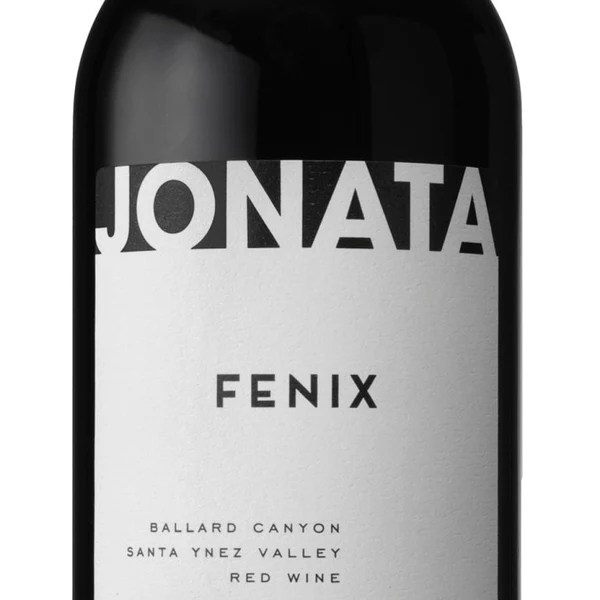
The blend is 77 percent Merlot, 14 percent Cabernet Sauvignon, and 9 percent Cabernet Franc, and if you, as I do, love Cabernet Franc, you’ll enjoy the 2021 Fenix even more, because that grape was beautifully evident during my sampling, as it was the next day, when I poured the wine at dinner, pairing it with a duck breast seasoned with salt and star anise.
Dees, who has been overseeing Stan Kroenke’s Jonata since 2004 (and whose purview now includes Kroenke projects The Hilt and The Paring) came to the profession without a degree in oenology, though he did earn a degree in plant and soil science at the University of Vermont, a curriculum relevant to winemaking.
Back to the 2021 Fenix, which was retailed with an average price of $100 (look for it on sites such as Benchmark Wine Group and K&L Wine Merchants, and inquire at your preferred local purveyor). You can also consider becoming a Jonata member for access to current releases and earlier vintages. The 2021 spent 20 months in 50 percent new French oak and 50 percent twice-used French oak barrels (225 liters). Note: One barrique holds 300 750-milliliter bottles of wine. Alcohol clocks in at 14.5 percent, and 1,265 cases of the 2021 were produced.
Dees recently told Levi Dalton in an episode of “I’ll Drink to That” that the Jonata vineyard is the sandiest he’s ever seen, adding that “it’s a beach.” When the Jonata team was surveying the property and assessing it for viability, several winemaking consultants told them that they would be better off growing asparagus or developing a golf course — the sand would be perfect for bunkers. I’m glad Dees didn’t listen to them. The soil there has been producing some stellar wines.

Complex, decadent, focused, architectonic, confident. Those terms came to mind when I sat with the Fenix. Black and dark-blue fruit, buffed leather, and violet notes arouse the olfactory senses, while blackberries, sage, pristine forest floor, plum, and wild mushroom — perhaps chanterelles — meld wonderfully on the palate. Duck breast, as I wrote, pairs well with this wine, as would a rack of lamb. You need some fat to marry the robust (yet remarkably refined) tannins. This is a wine that will please you now, or in 10-plus years if cellared properly.
On to New Zealand
We’ll venture to a wine from New Zealand next, the 2022 Pencarrow Pinot Noir, which I tasted alongside another Pinot from that island country (the latter selection has among its team a very famous name — more on that below).

Palliser Estate makes the Pencarrow line, which also includes a Chardonnay, a Pinot Gris, and a Sauvignon Blanc, all made from fruit sourced (100 percent) from Palliser estate’s Marlborough-based vineyards. Guy McMaster is the winemaker, alcohol is 14 percent, and 73 percent of the fruit came from the Pencarrow Vineyard, 24 percent from the Woolshed Vineyard, and 3 percent from the Pinnacles Vineyard. The (mainly) wild-fermented wine is cold-soaked, then pump-overs and plunging take place, followed by 10 months in oak barrels.
As with the Jonata Fenix, I sampled the Pencarrow Pinot Noir on a sunny afternoon immediately after opening the bottle (a screw cap) and finished it later with food. The wine is an attractive light ruby in the glass, an inviting hue. A faint white pepper note marks the aroma, along with wild raspberry, red cherry, and fruity nutmeg. Those profiles continue when one tastes the Pencarrow Pinot Noir, and I picked up some mushroom-centric umami as well. Tannins are powdery, and the finish is sustained. This wine, which retails in the $30-$35 range, is fun to drink, pure fun. Later that day I paired it with a meatloaf made from beef and pork and sun-dried tomatoes and could not have been happier.
A Famous Name
Does the name Sarah Jessica Parker ring a bell? It likely does. She is the famous individual to whom I referred earlier in this piece, and she’s the Invivo X proprietor — her official title with the brand. The 2022 Invivo X SJP Pinot Noir, which Wine Spectator placed at number 82 on its 2024 Top 100 wine list, closes out this edition of Tasting Notes. If you are skeptical of wines linked to celebrities, I understand, but that sector is too large and varied for blanket aversion. This bottle is worthy of your consideration.

Marlborough is the region from which the grapes for this wine hails — with a touch of Central Otago fruit added in. It has a suggested retail price of $25, which in my opinion is more than fair. This Pinot Noir is a bit darker in the glass than is the Pencarrow, a hue that is nonetheless fetching. No one I know would mistake this wine for anything other than a Pinot Noir; there is a lively black cherry component, plus allspice and earthy leather, on the nose. The aroma promises something satisfying, and it doesn’t disappoint. A taste reveals cherry and raspberry, with muted oak and smoky spice.

The Invivo X SJP has an ABV of 13.5 percent, and fruit was harvested by hand and de-stemmed into open fermenters. Indigenous yeasts began fermentation following a cold-soak of 7 to 10 days. The wine spent 11 months in 35 percent new and 65 percent used French barriques, and malolactic fermentation occurred in barrel.
What did I pair this Pinot Noir with? Salmon. I had a few skin-on, wild-caught coho filets and wanted to see how they’d do with the wine. I seared them (skin-down first; be sure to dry the skin fully before cooking) after seasoning with salt and pepper, and finished by adding a tablespoon of butter to the pan and basting the filets with it. The wine’s tannins complemented the fish’s richness and my guest was ecstatic.
The wines in this Tasting Notes demonstrate terroir well, and the winemaking quality is evident. If you try one (or all of them) let me know what you think. The next edition of Tasting Notes will include a Texas sparkling wine, a California Pinot Noir, and a Tuscan red that loves being chilled.




Recent Comments